Understanding Lume Ageing and UV Inspection
Radium, tritium and Super-LumiNova each age in characteristic ways. A UV lamp and a little patience reveal which era of luminous material a dial and hands actually carry.
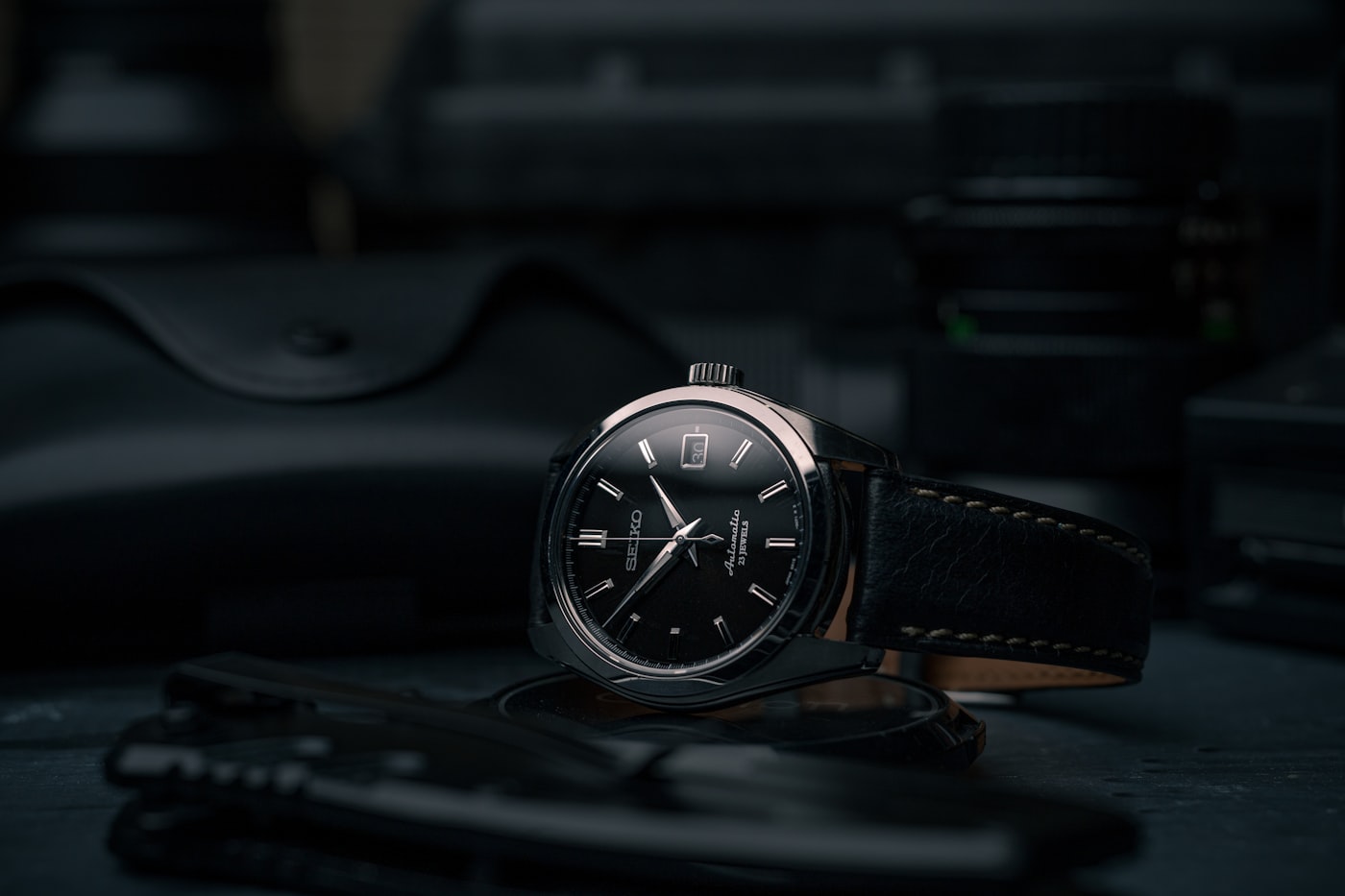
Lume tells time twice: once at night, and once again to any collector who knows how to read it. Because luminous chemistry evolved on a documented timeline, the material present on a dial is one of the most reliable authentication signals available.
The Three Eras
Radium-era pieces from roughly 1915 to the early 1960s often develop a warm cream or amber tone as the paint binder ages, and the paint itself becomes noticeably brittle. Under a UV lamp, aged radium typically does not glow because the phosphor is exhausted; only the underlying radioactive element remains.
Tritium-era pieces from the early 1960s to the late 1990s use paint that fades more gradually and often develops a soft yellow or greenish tone. Freshly tritiated lume glowed strongly when new; on a fifty-year-old watch the glow is now weak to non-existent.
Super-LumiNova and its cousins, in production since the mid-1990s, glow brightly under UV even after twenty-plus years and show a much more stable appearance over time.
What UV Inspection Reveals
Aim a low-power UV lamp at the dial and hands for a few seconds in a dark environment. Modern phosphors light up quickly and hold their glow; aged radium and tritium do not. If a watch claimed to be from 1960 glows like a modern piece, the lume has almost certainly been renewed.
UV inspection is a screening tool, not a definitive verdict. A watch may glow strongly because a previous service replaced the dial with a modern reproduction, or because the hands are later replacements, or simply because a well-preserved late tritium example is more energetic than expected.
Consistency Between Dial and Hands
The dial lume and the hand lume should have aged together. Similar colour, similar tone, similar apparent age. A dial with warm cream markers paired with hands whose lume is uniformly bright white is a classic sign of hand replacement during service.
Small differences are normal because dial lume plots and hand lume plots use slightly different application techniques. Dramatic differences, especially in colour, are diagnostic of a mixed component history.
Handling and Safety
Never attempt to clean or refresh vintage lume yourself. The paint is brittle, the underlying material may be regulated, and even a light touch can dislodge decades of oxidation that gives the dial its collectible appearance.
If a dial requires lume repair to become presentable, factor the cost and value implications carefully. A properly relumed dial rarely commands the same premium as an untouched example, though it can be the right decision for pieces destined for regular wear.
Closing Perspective
A short UV inspection at the start of any vintage evaluation catches more mismatches than almost any other single test. Add it to your standard workflow and you will save yourself several difficult conversations over the course of a collecting life.
Background Knowledge
Twentieth-century watch lume passed through three principal chemistries: radium-based paint until the early 1960s, tritium-based paint through the late 1990s and Super-LumiNova and related non-radioactive phosphors thereafter. Each generation ages differently and glows differently under UV.
Extended Notes
Radium is mildly radioactive and legally regulated in some jurisdictions today. Handling a vintage dial with intact radium paint is not dangerous in normal use, but restoration work involving radium removal must follow local hazardous-material rules.
Frequently Asked
- Is my radium-dial watch safe to wear?
- In normal wear, yes. Do not attempt to remove or refinish radium paint outside a properly equipped workshop.
- Do old lume plots really need to match the hands?
- Ideally yes. Mismatched lume colour between dial and hands often indicates that either the dial or the hands have been replaced.
Collector Value Note
Even lume ageing across dial and hands, consistent with the expected era, adds a subtle but real premium. Uneven or mismatched lume is often the first visible clue that a piece has been reworked.
Sources & Further Reading
- Public technical literature on twentieth-century luminous compound chemistry
- Museum conservation guidance on antique luminous dials
This article is editorial commentary. It does not constitute authentication, valuation or investment advice.
Related Reading
More From the Register