Original, Refinished or Service Replacement: Reading a Dial Honestly
The dial carries most of a vintage watch's value. Learning to distinguish an untouched original from a refinished or factory-service dial is the single most important authentication skill.
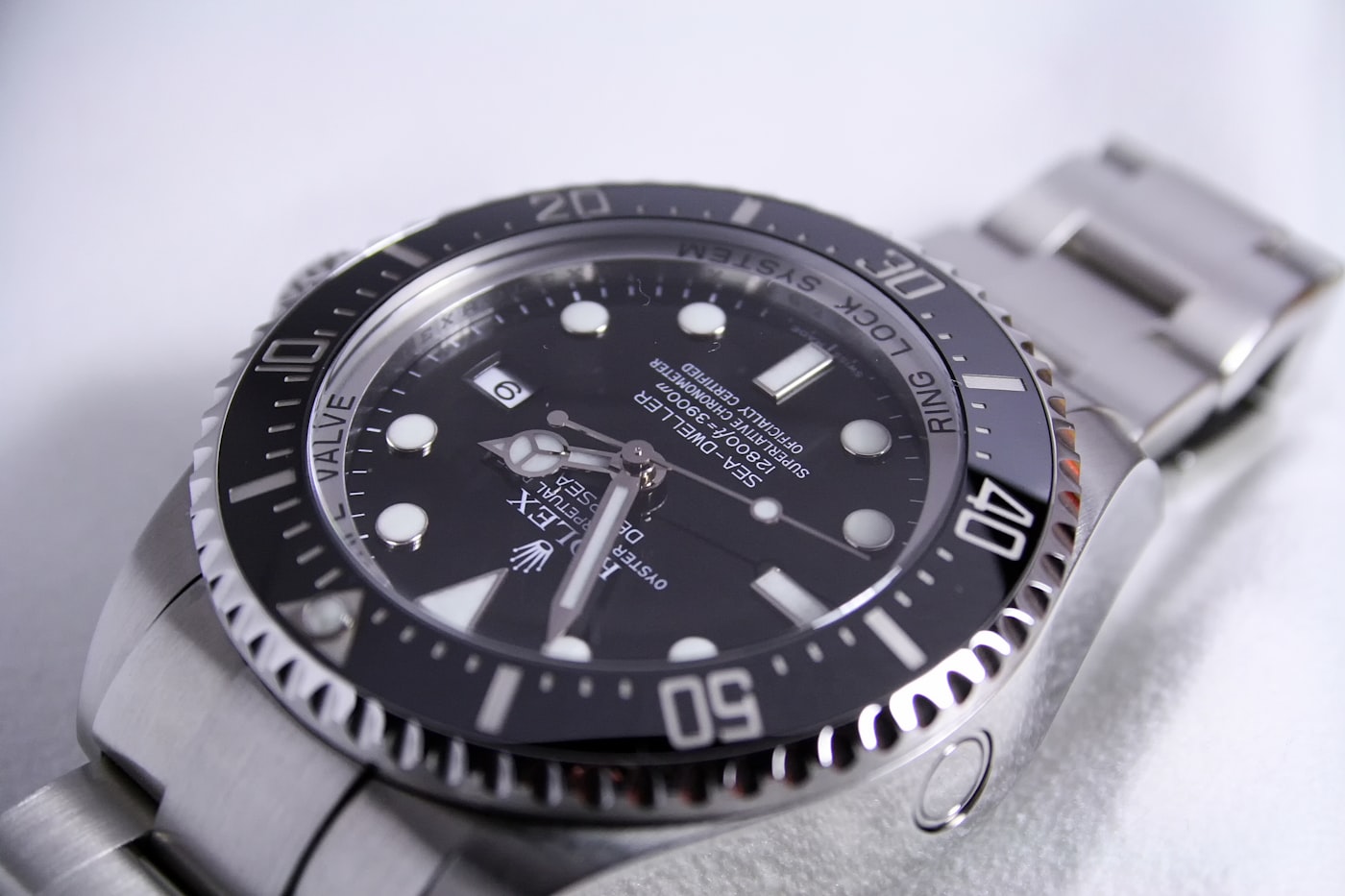
A dial can be original, refinished or a factory service replacement, and the price difference between these three states is often enormous. Every serious vintage buyer needs a clear mental checklist for distinguishing them, because sellers use the same photographs to represent very different situations.
Original: The Ideal State
An original dial is the one that left the factory installed in the specific case it currently occupies. It shows age consistent with the watch's history, has never been repainted or re-lumed, and matches the published specification for the reference in every printing and layout detail.
Signs of originality include lume plots that match the hands in colour and tone, printing that shows soft edges consistent with the era's technique, and small manufacturing quirks such as slightly uneven minute-track spacing that are documented on period-correct examples.
Refinished: The Riskiest State
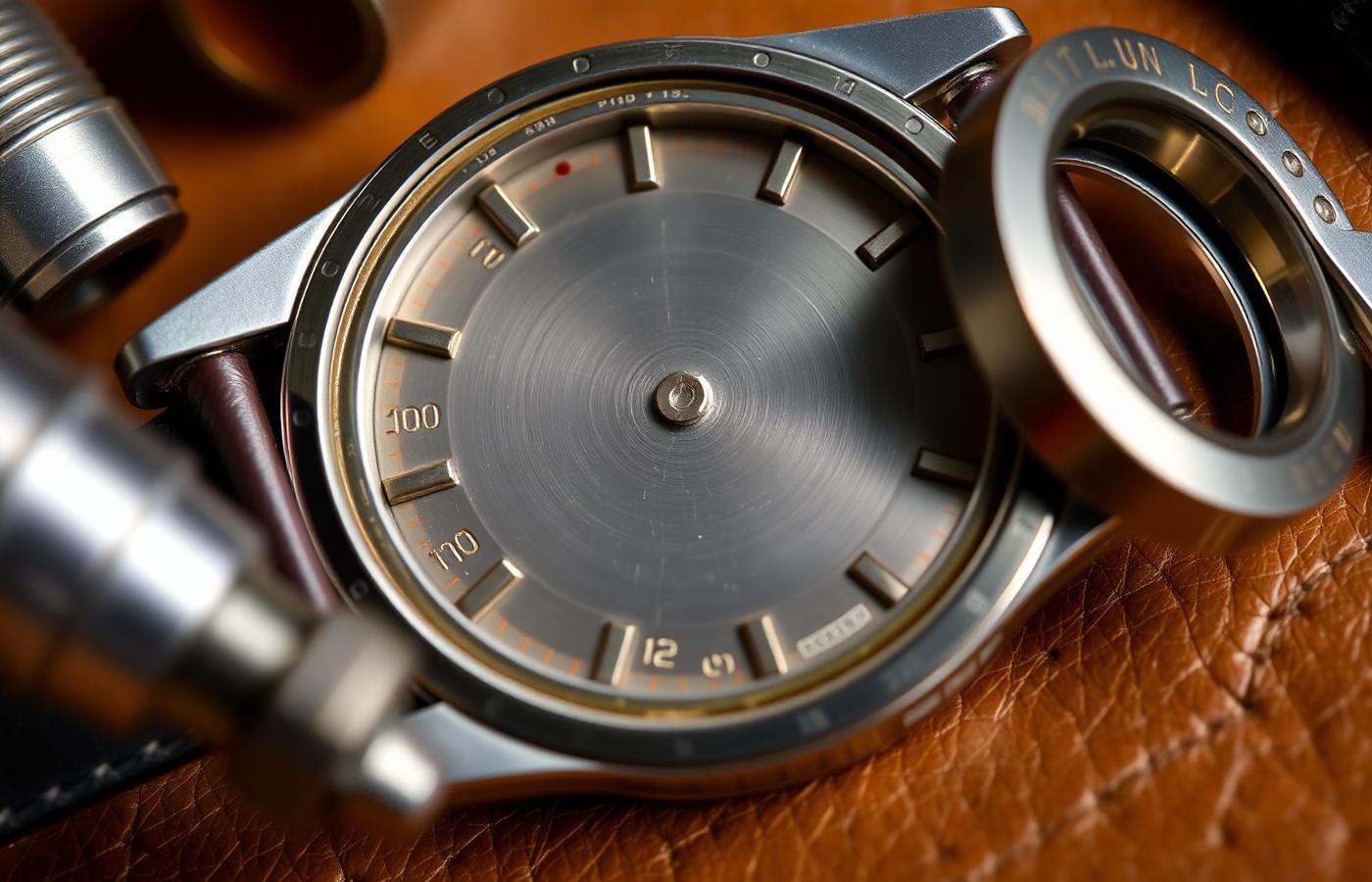
A refinished dial has been chemically stripped and repainted by a third-party specialist, sometimes to a very high cosmetic standard. Under loupe examination, refinished dials often show a slightly plasticky surface texture, printing with unusually crisp edges, and lume plots that were painted after the fact rather than applied at manufacture.
The market discount for a refinished dial is severe and permanent. Even a beautifully refinished example on a sought-after reference will trade well below an honestly worn original.
Service Replacement: The Nuanced State
A factory service dial is a genuine part installed by the manufacturer, but it carries the production date of the replacement rather than the original delivery. Service dials often differ from originals in small but consistent ways: different lume material, updated printing technique, slightly revised layout or hand style.
Service dials are common on watches that saw regular use through the 1970s and 1980s. They are not deceptive in themselves, and they preserve the watch as a functional object, but they change the collecting proposition materially.
A Working Inspection Method
Photograph the dial straight-on at high resolution under diffuse light. Compare printing font, spacing and layout against a published reference example from the correct year. Look at the lume plots under both normal and UV light to confirm colour and glow consistency with the hands.
Ask the seller directly whether the dial is believed to be original, and whether any manufacturer service records document a dial replacement. Truthful sellers welcome the question; evasive ones tell you something important through their reaction.
Closing Perspective
Dial literacy separates casual buyers from serious collectors. Half an hour spent comparing your candidate against three or four documented reference examples is often the most valuable half hour of the entire acquisition process.
Background Knowledge
For most of the twentieth century, manufacturers routinely replaced worn or damaged dials during service, often at no additional cost. Those replacement dials were genuine factory parts, but they carry a different production date and often subtly different specifications than the original.
Extended Notes
The vintage market's premium on originality is a relatively recent phenomenon, dating largely from the 1990s. Watches serviced in the 1970s and 1980s were routinely fitted with replacement dials and hands as a courtesy, which is why fully original examples are genuinely scarce today.
Frequently Asked
- How can I tell a service dial from an original?
- Compare printing font, minute-track position, sub-dial diameter and lume plot shape against a documented example of the correct year. Small deviations in any of these often indicate a service replacement.
- Is a refinished dial always bad?
- It reduces value significantly against an untouched original. Whether it is bad for you personally depends on why you are buying the watch.
- Does a service dial hurt resale?
- Yes, typically by 30 to 60 percent versus an original dial in comparable condition on the same reference.
Collector Value Note
For sport references, an untouched original dial in honest condition is almost always worth more than a service dial in cosmetically superior condition. The market rewards originality over apparent perfection.
Sources & Further Reading
- Published reference guides on major vintage sport and dress lines
- Manufacturer service department historical practice descriptions
This article is editorial commentary. It does not constitute authentication, valuation or investment advice.
Related Reading
More From the Register