Reading Reference and Serial Numbers: A Practical Framework
Reference numbers describe what the watch is; serial numbers describe when it was made. Learning to read both is the fastest way to move from beginner to informed collector.
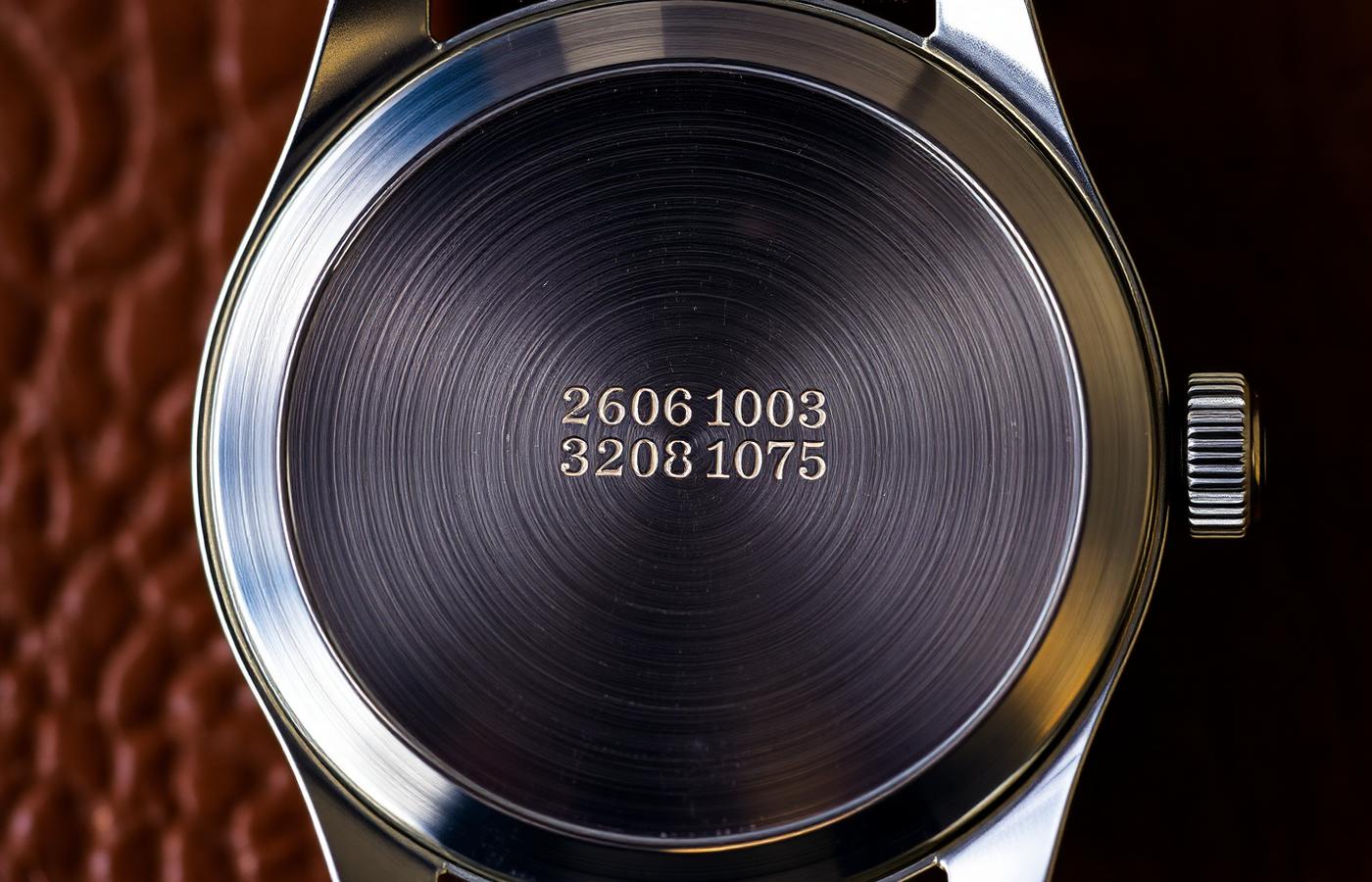
Every serious inspection of a vintage watch begins with the numbers. Before assessing dial patina, movement condition or strap fit, the informed buyer confirms the reference number matches the description, records the serial number for archive verification and studies both engravings for signs of tampering or wear.
What a Reference Number Encodes
A reference number is essentially a short product code. It typically encodes case metal, bezel type, dial variant and sometimes movement family. Two watches sharing a reference should be structurally identical, though small production variations across years are normal and often documented in reference guides.
The most common beginner mistake is treating a reference number as a serial number, or vice versa. The reference is the general model identity; the serial is unique to the individual unit.
What a Serial Number Reveals
For most brands, the serial number allows approximate dating within a production year, and sometimes within a production quarter. Collector-maintained databases have mapped serial ranges to years for major twentieth-century brands, and manufacturer archive services can often confirm exact original delivery data for a fee.
Serial numbers can appear in multiple places on a single watch: case exterior, movement, caseback interior and sometimes on the bracelet clasp. A fully matching set of serials in the expected locations is a strong authenticity indicator.
Common Numbering Anomalies
During factory transitions, brands sometimes issued watches with serial numbers that do not fit the standard year mapping. Documented transitional references exist for several major manufacturers, and being aware of these prevents unnecessary alarm during inspection.
Deliberate falsification is rare in the high end of the market because manufacturer archives can verify original data. It is more common at the lower end of the pre-owned market, where sellers may lightly re-stamp a serial to obscure a swapped caseback.
Practical Inspection Steps
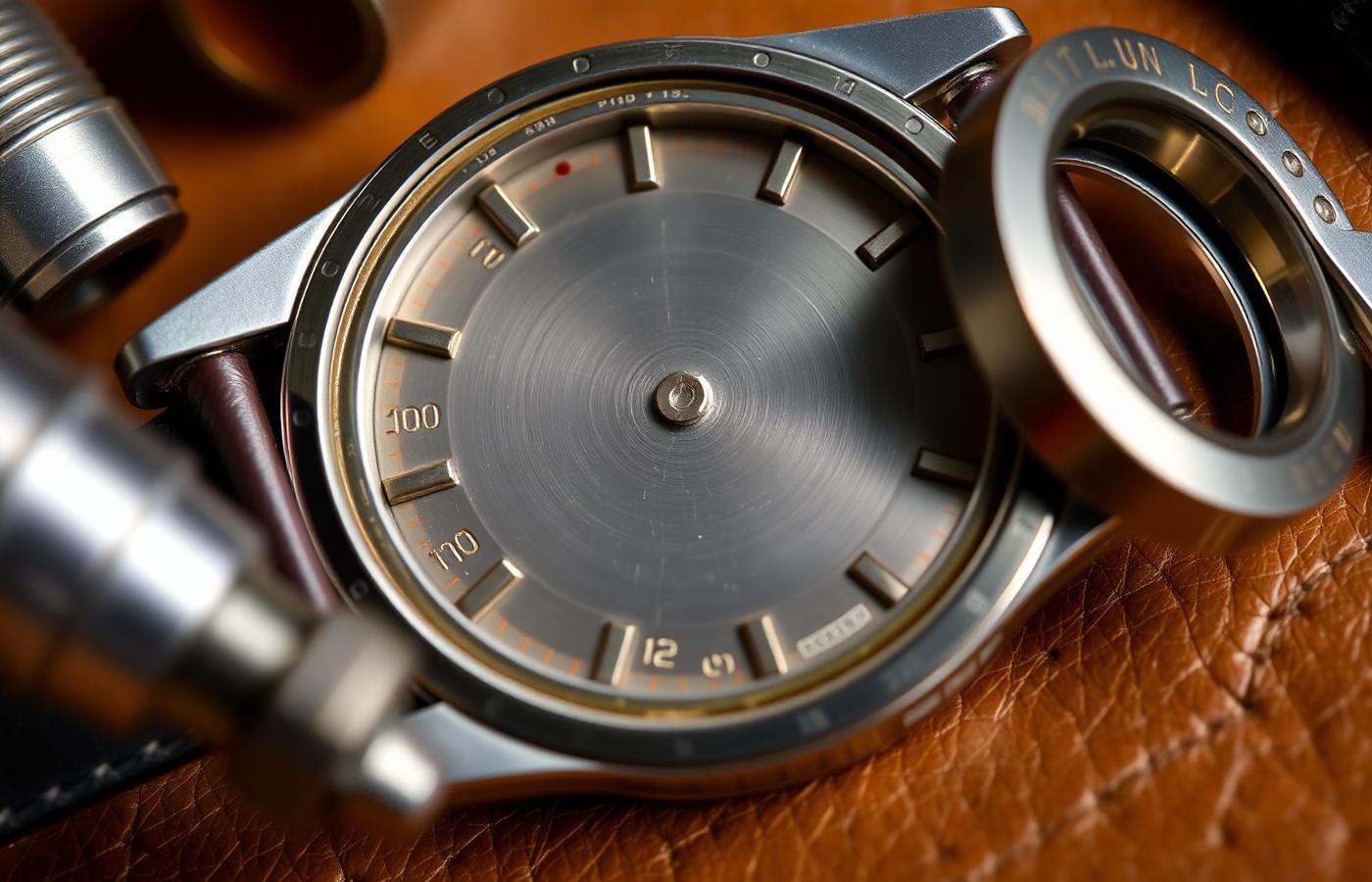
Photograph both numbers under diffuse light before any other work begins. Use a loupe of at least ten times magnification to check engraving depth and edge sharpness. Compare against the manufacturer's known font conventions for that year; obvious font mismatches almost always indicate a re-stamp.
Cross-reference the reference number against published catalogues to confirm the dial, hands and bezel of the physical piece match the reference specification. A reference and serial pairing that describes a black-dial example on a caseback holding a white-dial watch is a red flag that warrants further investigation.
Closing Perspective
Reference and serial literacy is a small time investment with an outsized return. Half an hour of study before any inspection dramatically reduces the risk of paying for a piece whose numbers do not tell the same story as its appearance.
Background Knowledge
Almost every mechanical watch produced since the mid-twentieth century carries at least two identifying numbers: a reference number that identifies the model configuration, and a serial number that identifies the specific unit.
Extended Notes
Reference and serial numbering conventions vary widely between manufacturers. Some brands engrave the reference between the lugs, others hide it under the caseback, and a small number of independents used no reference numbers at all for early production.
Frequently Asked
- Where is the reference number usually located?
- Most commonly between the upper lugs of the case, engraved into the metal. Some brands place it inside the caseback or on the movement bridge.
- Can two watches share the same serial number?
- Within a single manufacturer, no. Across different manufacturers, yes, and this occasionally causes confusion when reading auction descriptions.
- What if the numbers are worn off?
- Aggressive polishing over many services can partially or fully erase engravings. The manufacturer may still be able to identify the piece from other markings, but resale value is affected.
Collector Value Note
A watch whose reference and serial numbers still read clearly, in their original engraving depth, is worth a measurable premium over an otherwise identical example that has been polished flat.
Sources & Further Reading
- Manufacturer archive services and published reference catalogues
- Collector-maintained serial number databases for major twentieth-century brands
This article is editorial commentary. It does not constitute authentication, valuation or investment advice.
Related Reading
More From the Register