Spotting Refinished Cases: How to Read Lug Geometry and Bevel Wear
A refinished case is not necessarily a ruined case, but understanding what has been removed is essential to valuing any vintage watch correctly. Lug geometry is the most reliable single tell.
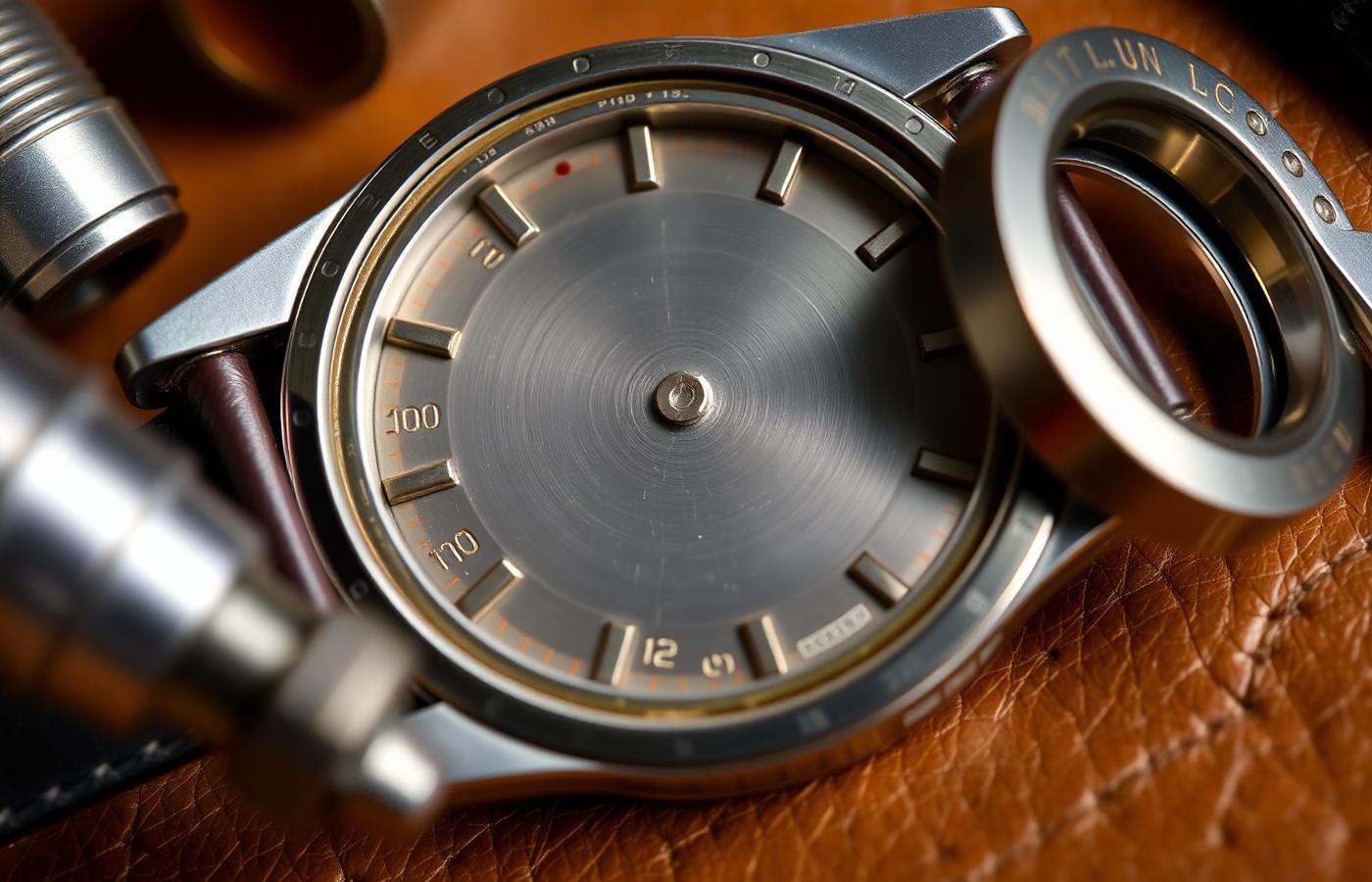
Case condition sits at the centre of vintage watch valuation, and yet it is the area where beginner collectors are most easily misled. The reason is simple: photographs flatter cases. A case that looks perfect in a well-lit sale image can reveal, under a loupe in person, exactly how much metal has been removed over the decades. Learning to read case geometry is the single highest-return authentication skill you can develop.
Why Lug Geometry Is the Best Tell
Every case leaves the factory with specific lug geometry: crisp angles between the top of the lug, the outer bevel, and the vertical face down to the caseband. Those angles are set by finishing tools that no service centre replicates exactly.
When a case is polished, the polisher's compound rounds the sharpest points first. A lug that once ended in a defined edge becomes progressively softer, and the transition between top surface and bevel loses its crispness. This softening is visible under moderate magnification and is essentially impossible to reverse.
Reading Bevels Across References
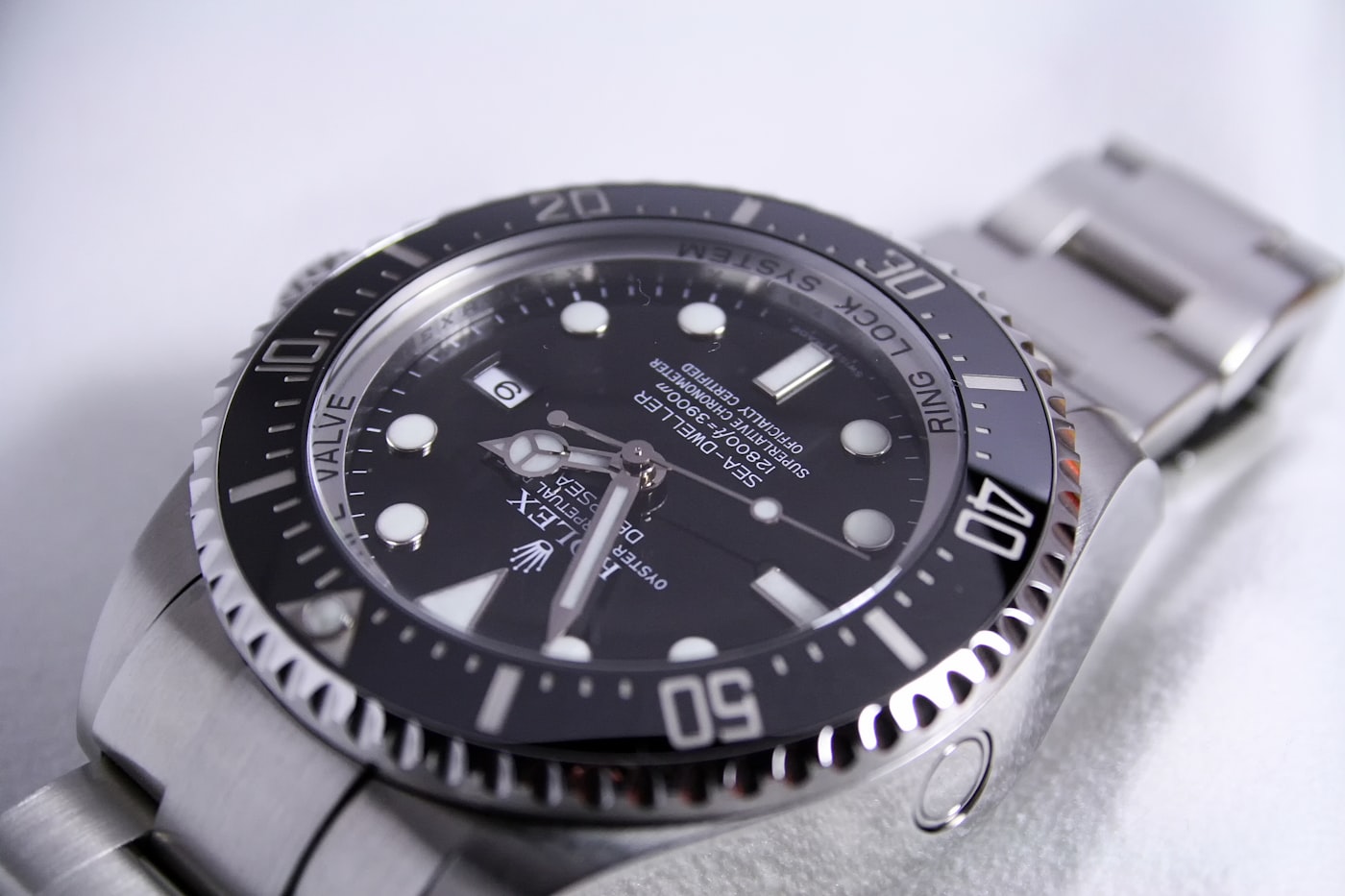
Different reference families have different original bevels. A 1960s Rolex sports case has bevels that fall away sharply from the top of the lug at roughly forty-five degrees. A period Patek Philippe dress case often shows more graduated bevels with polished tops and brushed sides.
Learn the reference-specific factory finish for the pieces you are buying. General knowledge of what a good case looks like is useful; specific knowledge of what this reference looked like when it left the factory is decisive.
The Caseback and Serial Number Test
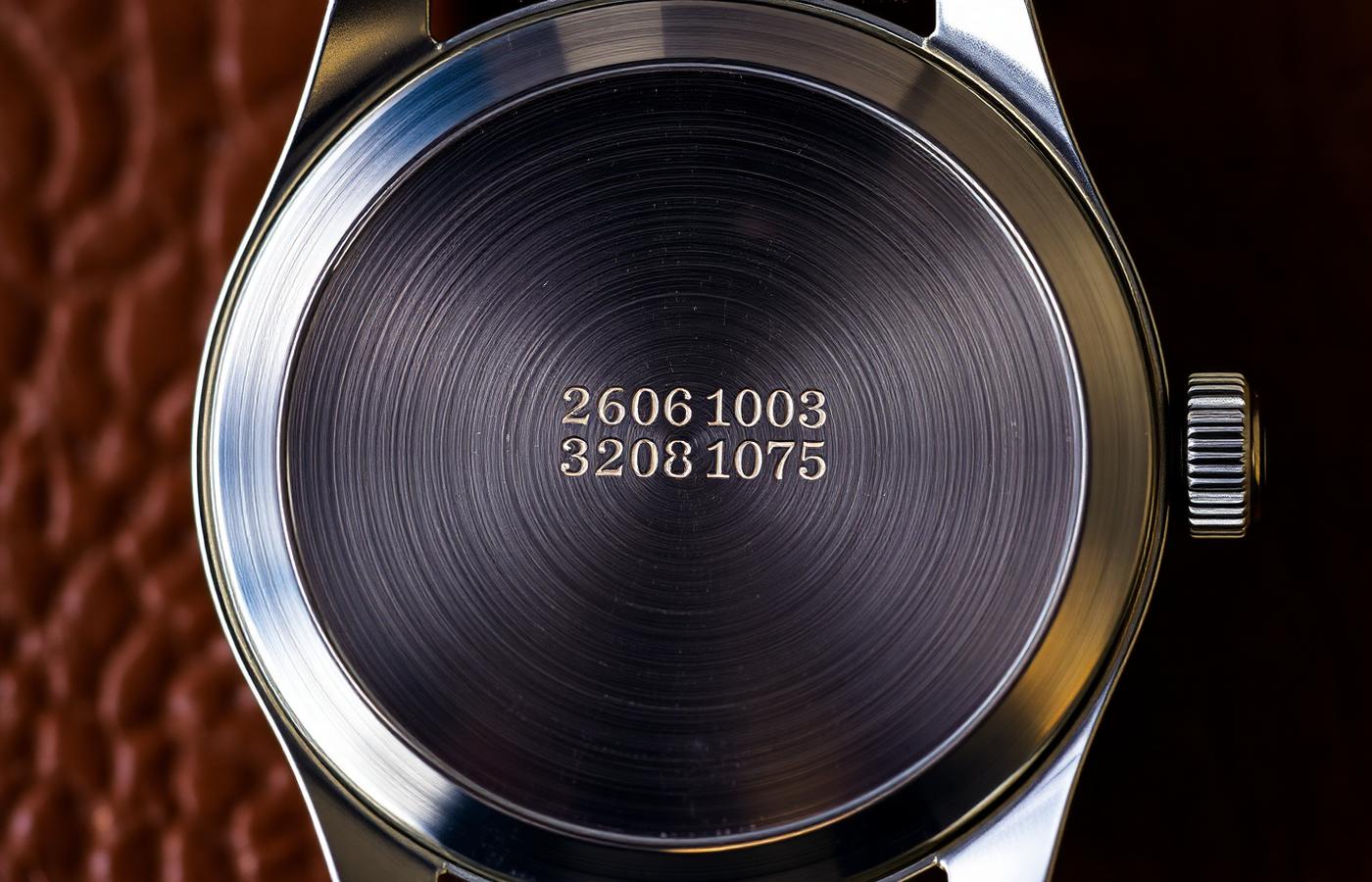
On many mid-century cases, the serial number was engraved between the lugs at a specific depth. Aggressive polishing removes the top of the engraved numbers first, leaving shallow, softened digits that photograph well but read poorly under a loupe.
Compare the depth of the serial engraving on your candidate piece with reference photographs of confirmed unpolished examples. A significant depth difference is a reliable indicator of case removal even when the overall geometry still looks reasonable.
Living With a Polished Case
A lightly polished case is not a disqualification. It is a fact to be priced in. Buy the piece for what it is, pay accordingly, and enjoy it without pretending it is something it is not.
What you should not do is send an unpolished vintage watch back to a service centre without explicit instructions to skip case work. A well-meaning technician can remove ten thousand dollars of value in twenty minutes of polishing time, and no receipt will ever bring it back.
Closing Perspective
Case literacy takes years of loupe time to develop fully, but the fundamentals can be learned in a weekend of careful side-by-side comparison. Once you can see a soft lug clearly, you will never un-see it, and your buying decisions will improve immediately.
Background Knowledge
Case refinishing was standard practice at authorised service centres from the 1950s until well into the 2000s. Very few vintage watches have entirely escaped it, but the degree of removal varies enormously between examples.
Extended Notes
The industry distinction between refinishing (light polishing that preserves the original geometry) and repolishing (aggressive removal that alters the case profile) is not always drawn consistently. Learn to see the geometry itself rather than trusting the labels applied to it.
Frequently Asked
- Is any polishing acceptable on a vintage watch?
- A single light service polish over sixty years of ownership is broadly acceptable. Multiple aggressive polishes that soften the case geometry are not.
- Can a heavily polished case be restored?
- No. Once case metal has been removed, it cannot be replaced without welding or laser deposition, both of which further damage collectible value.
- Do original bevels always survive on unpolished cases?
- Yes, in principle, though decades of daily wear can soften them slightly even without polishing intervention. Sharpness is a spectrum, not a binary.
Collector Value Note
The premium paid for a genuinely unpolished case over a lightly polished equivalent is typically 25 to 60 percent depending on reference, and that gap has widened consistently over the last decade.
Sources & Further Reading
- Published tolerance drawings for mid-century case designs from three major manufacturers
- Comparative photography of untouched and repolished examples of common references
This article is editorial commentary. It does not constitute authentication, valuation or investment advice.
Related Reading
More From the Register