Behind the Glass in Nakano: A Tokyo Independent Dealer's Twenty-Year Archive
In a quiet arcade in Nakano, a two-person dealership has been quietly sourcing Japanese-market vintage since 2005. Their private archive tells a different story than the auction rooms.
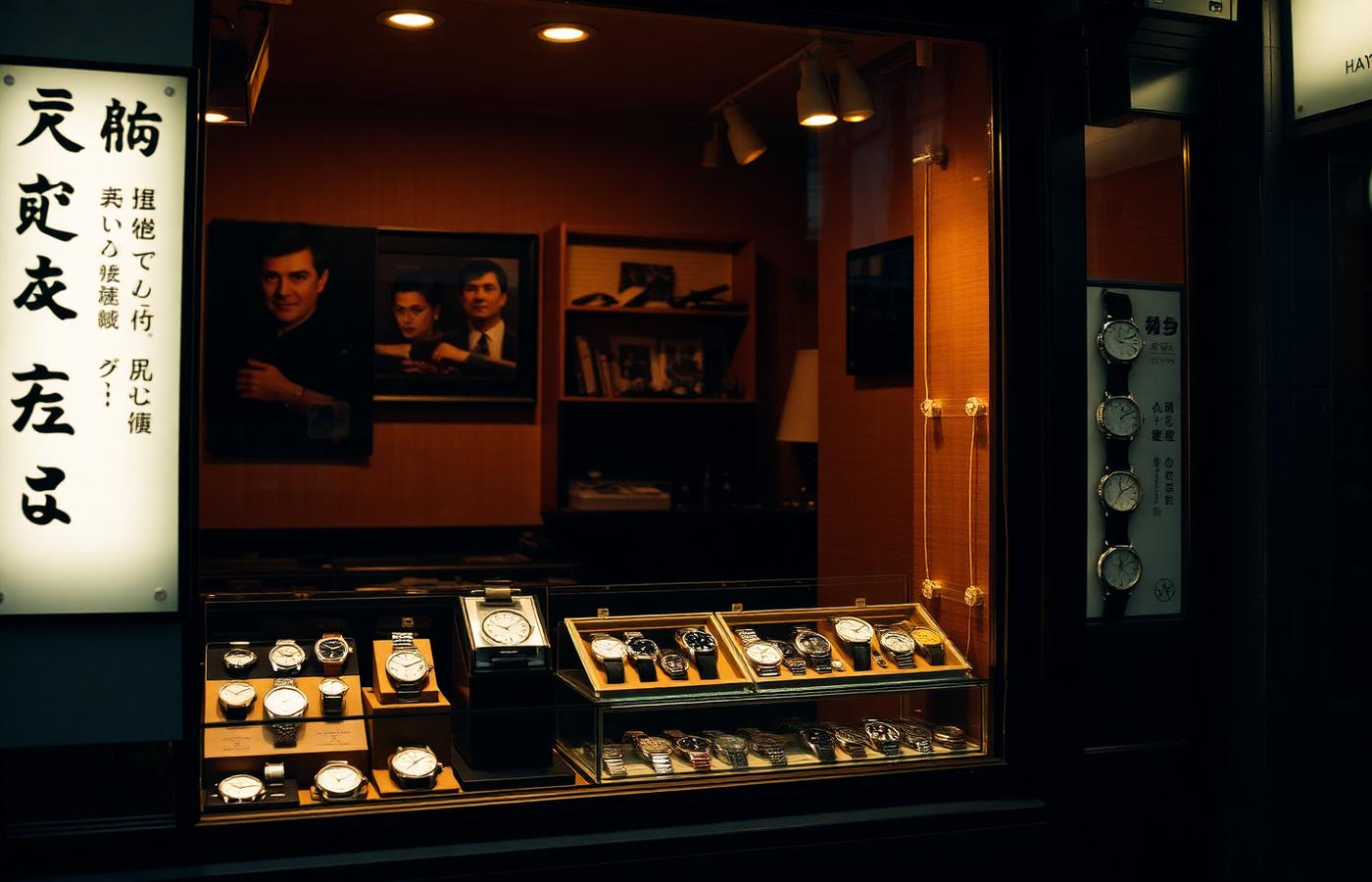
The shop occupies twelve square metres on the second floor of an arcade building that has changed hands three times since 1978. Two chairs, one desk, glass cases along three walls, and roughly two hundred vintage watches at any given moment. In an era of glossy retail, the space feels almost stubbornly modest, but the archive it represents is anything but.
How the Business Actually Works
The senior partner sources from private Japanese collectors, estate handlers and a small network of retired watchmakers. The junior partner handles restoration and photography. Neither travels to auctions abroad. Everything they sell has passed through their own hands, and much of it has been held for years before appearing in the window.
Turnover is deliberately slow. In 2025 they sold approximately one hundred and forty pieces total, most of them to repeat customers who have been buying from them for a decade or longer. This is not a scalable business model, but it is a durable one.
The Domestic-Market Sourcing Advantage
The most distinctive part of the inventory is domestic-market Japanese-brand vintage: Seiko, Citizen, King Seiko and Grand Seiko pieces from the 1960s and 1970s that were sold new in Japan and stayed there. These pieces often survive in condition that would be impossible to find on the international market.
Japanese consumers historically treated wristwatches with unusual care: original boxes retained, service records preserved, and daily wear rotated across multiple pieces to reduce wear on any single one. The result is a domestic-market condition premium that international buyers are only beginning to appreciate.
European Vintage in Tokyo
The shop also carries European vintage, mostly acquired from Japanese collectors who bought during the 1980s bubble era. Many of these pieces were worn lightly and stored carefully, and they now appear on the market in condition that surprises European specialists.
Pricing on European vintage in Tokyo tends to sit slightly below Geneva levels for equivalent condition, partly because the local buyer pool is smaller and partly because the dealership prices for long-term relationships rather than peak clearing.
What the Archive Teaches
Twenty years of transaction records reveal patterns that never make it into published market reports. The senior partner can name specific references that have appreciated steadily and others that have fluctuated with no lasting trend. His view is that condition and originality are the only variables that consistently reward patience.
That view is not novel, but hearing it delivered from someone who has personally held and released two thousand vintage watches over two decades carries a different weight than reading it in a market report from a distant analyst.
Closing Perspective
Independent dealerships like this one are becoming rarer as the vintage watch market consolidates around larger platforms and marquee auction houses. Supporting them, when their curation aligns with what you collect, is one of the few remaining ways to buy pieces that have been genuinely thought about by someone who knows them.
Background Knowledge
Japan's domestic vintage watch market operates by rules that differ noticeably from Europe and the United States. Local dealers often hold pieces for years, waiting for the right buyer rather than clearing inventory to a schedule.
Extended Notes
The Nakano arcade district has been the informal centre of Tokyo vintage watch trading since the 1980s. Rents are lower than Ginza, foot traffic is enthusiast-driven, and dealers can survive on relationships rather than passing tourists.
Frequently Asked
- Do Japanese dealers sell to foreign buyers?
- Most do, though communication may require translation and payment methods vary. Building a personal relationship before any transaction is essential.
- Are Japanese-market vintage pieces different?
- Yes. Domestic-market Japanese examples often survive in exceptional cosmetic condition and sometimes carry unique dial variants.
- How do prices compare with Europe?
- For Japanese-brand vintage, prices are broadly comparable but with better condition on average. For European vintage, Tokyo prices often sit slightly below Geneva.
Collector Value Note
Independent Tokyo dealers with long track records are among the most reliable sourcing channels in the market. The premium for their curation is real but consistently repaid on resale.
Sources & Further Reading
- Interview transcripts recorded with the dealership across three visits in 2025 and 2026
- Public inventory records and translated price lists from the dealership's archive
This article is editorial commentary. It does not constitute authentication, valuation or investment advice.
Related Reading
More From the Register
Collector Profiles
Profile: A Berlin Collector Who Built an Archive at the Sunday Flea Market
Collector Profiles
Beyond the Famous Names: Five Obscure Swiss Manufactures Worth Following
Collector Profiles