Two Collections, One Household: How a Couple Coordinates a Shared Archive
When both partners collect, the household archive becomes a shared project. A conversation with a couple in Milan about how they curate, budget and enjoy their pieces together.
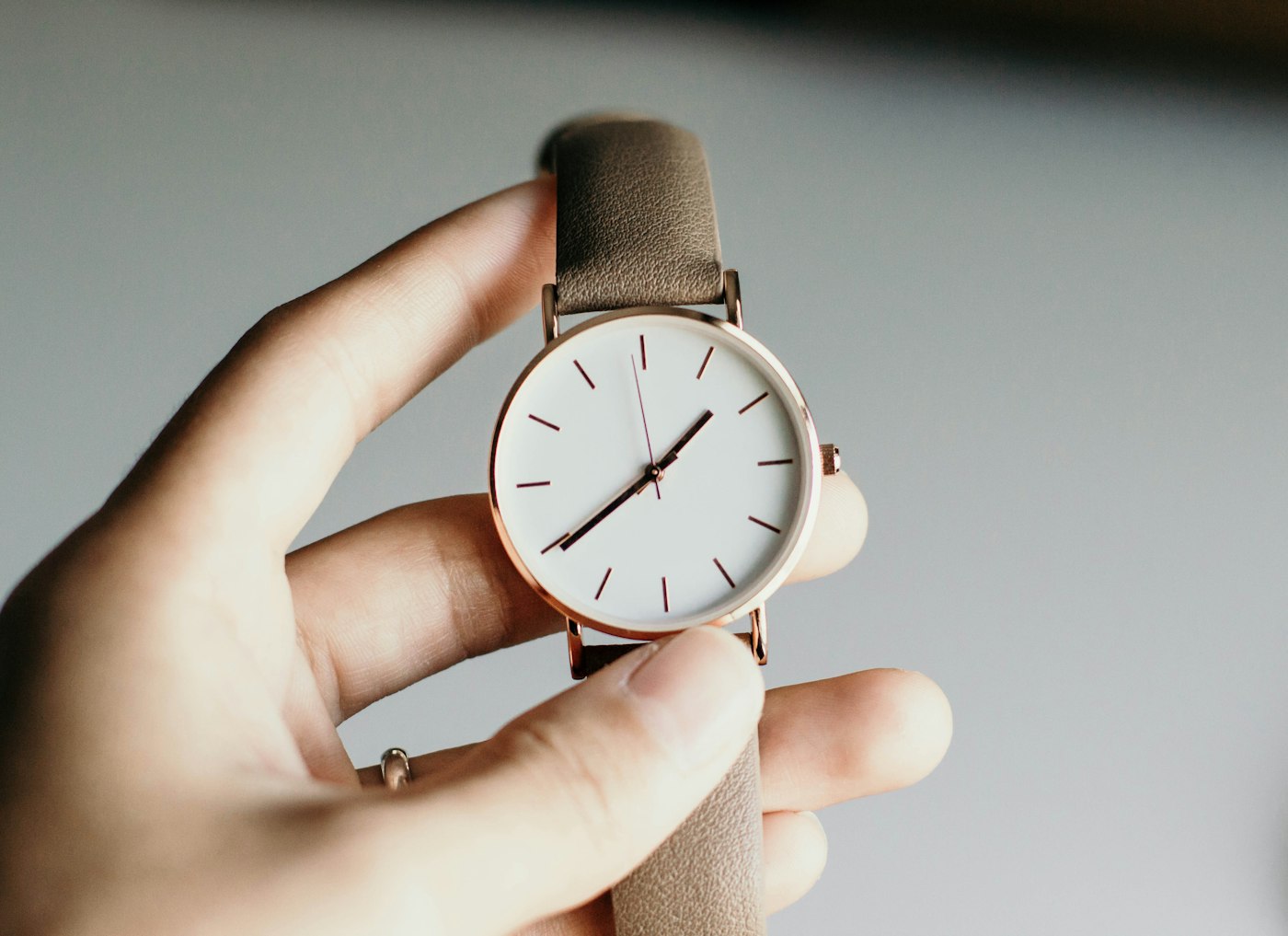
Chiara and Paolo live in a fifth-floor apartment in the Porta Venezia district of Milan. Between them they own thirty-one vintage watches. Neither works in the watch trade; Chiara is an architect and Paolo teaches philosophy at a nearby university. They have been collecting together for roughly a decade, and their approach to shared collecting has become a small case study in what a two-person household archive can look like.
Three Buckets, One Shelf
The couple organises their archive into three explicit buckets. Chiara maintains a personal collection focused on 1960s dress watches from smaller Swiss manufactures. Paolo maintains a personal collection focused on 1970s chronographs. A third joint bucket holds formal pieces intended for family events and eventual gifting to their two children.
The distinction is not merely accounting. Personal pieces are worn freely and rotated at each collector's discretion. Joint pieces are worn only on agreed occasions and are documented more rigorously, with photographs updated every two years and service records kept in a shared folder.
Money and Decision Rights
The couple agreed early on that ambiguity around spending would poison the practice. They set an annual budget for each personal collection and a smaller separate annual budget for the joint archive. Purchases under a defined threshold require no consultation; purchases above it are discussed before commitment.
This framework does not eliminate disagreement, but it channels disagreement productively. When one of them wants to exceed the annual budget for an exceptional opportunity, the conversation is about the merits of that specific piece rather than about the general principle of spending.
Documentation as Household Practice
Every watch in the household, personal or joint, has a written card in a shared archive box. Each card lists reference, serial, acquisition date, price, seller, condition notes and service history. The couple updates the cards together roughly twice a year, usually over a Sunday afternoon.
This shared documentation ritual has become one of the more enjoyable parts of the practice. It surfaces stories, prompts occasional shared research and creates a natural moment to consider whether the household archive as a whole still reflects both partners' interests.
Enjoyment Without Overlap
Because their personal collections focus on different eras and categories, Chiara and Paolo rarely compete for the same acquisitions. This deliberate non-overlap keeps the practice cooperative rather than competitive and produces a household archive that reads as two coherent halves rather than a single diluted whole.
For couples where both partners are drawn to the same references, the coordination challenge is greater but not insoluble. Agreeing in advance who leads on which references, or alternating primary interest by year, are two workable approaches drawn from other collecting households.
Closing Perspective
Shared collecting is more work than solo collecting and more rewarding when it works. A short list of explicit household agreements is usually enough to turn a potential source of friction into a shared long-term project neither partner would give up.
Background Knowledge
Coordinated household collecting is more common than the specialist press often acknowledges. When two partners collect together, both the enjoyment and the complexity of the practice increase, and thoughtful coordination becomes important.
Extended Notes
The couple discussed here maintains separate personal collections and one jointly held archive of formal pieces. Their approach has evolved over roughly a decade and demonstrates a workable framework for shared collecting.
Frequently Asked
- Should couples keep separate or joint collections?
- Both, in most cases. Personal ownership preserves individual taste, while a small joint archive creates shared long-term projects.
- How do we handle budgets across two collectors?
- Agree on annual and per-purchase ceilings in writing. Ambiguity around money is the single largest source of friction in shared collecting households.
Collector Value Note
Coordinated household collections often end up more coherent and better documented than single-collector archives of comparable size, precisely because the coordination discipline forces good record-keeping.
Sources & Further Reading
- Interview conducted with the couple with permission for this article
This article is editorial commentary. It does not constitute authentication, valuation or investment advice.
Related Reading
More From the Register
Collector Profiles
Profile: A Berlin Collector Who Built an Archive at the Sunday Flea Market
Collector Profiles
Beyond the Famous Names: Five Obscure Swiss Manufactures Worth Following
Collector Profiles