Profile: A Berlin Collector Who Built an Archive at the Sunday Flea Market
For fifteen years, a Berlin schoolteacher has hunted vintage watches at the city's weekend flea markets. Her archive of European everyday pieces from 1955 to 1975 tells a quieter history than the auction rooms.
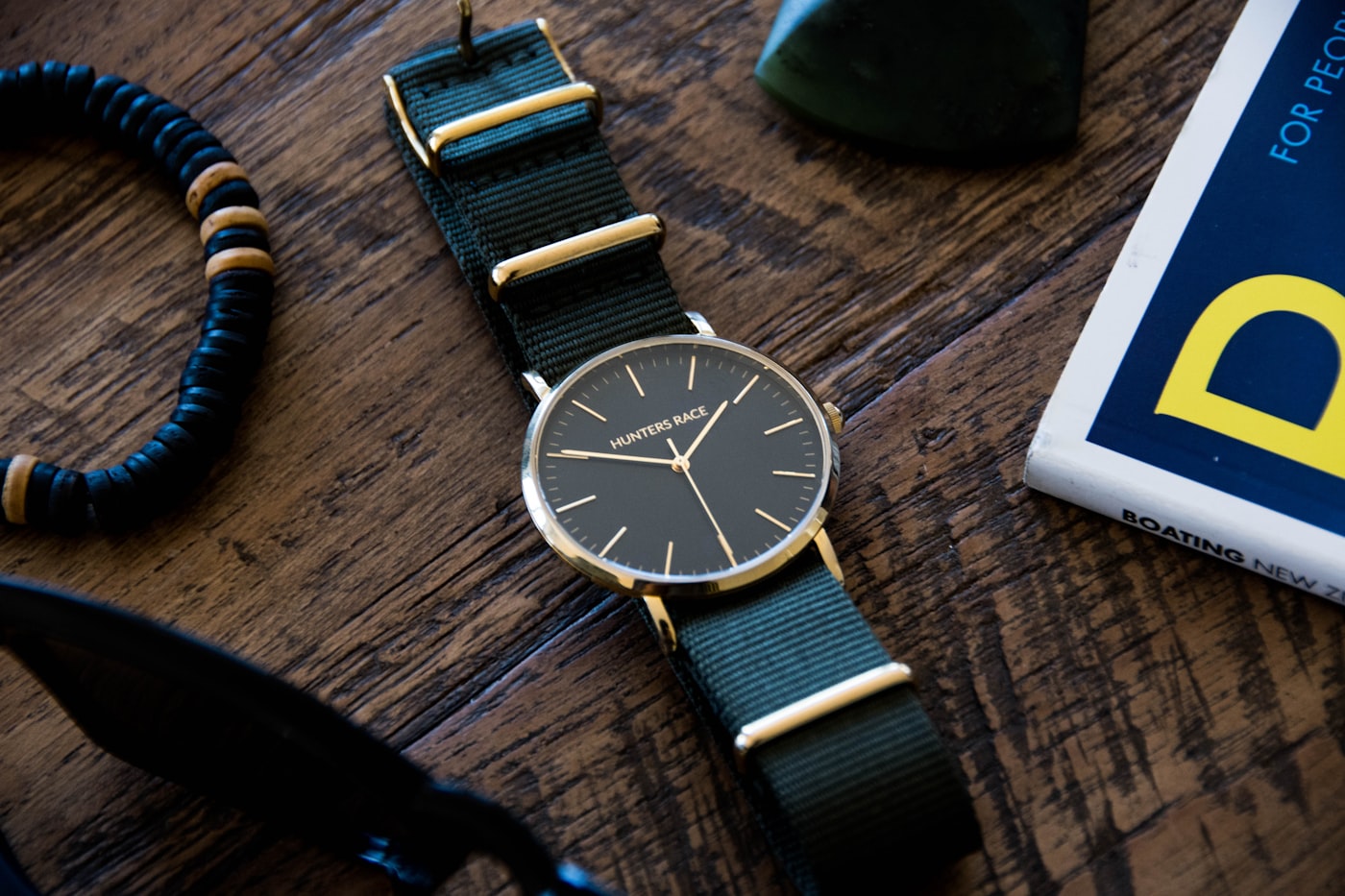
Marta lives in a two-room apartment in the Prenzlauer Berg district of Berlin. She teaches history at a secondary school, and every Sunday morning she walks half an hour to one of the city's flea markets with a small notebook and a ten-power loupe in her jacket pocket. Fifteen years of these walks have produced a personal archive of roughly sixty vintage watches, all bought for less than three hundred euros each.
The Discipline of Ground-Level Collecting
Marta does not chase the famous references that dominate auction catalogues. Her focus is narrower and, in some ways, more scholarly: everyday Swiss mechanical watches produced between 1955 and 1975, the last two decades before quartz reshaped the industry. Names like Certina, Doxa, Enicar and Roamer fill her archive, alongside dozens of smaller manufactures whose stories she now knows in remarkable detail.
The self-imposed price ceiling matters. It forces patience, protects her from impulsive purchases and keeps the collecting activity sustainable on a teacher's salary. It also means every acquisition is a deliberate act of research rather than a competitive bid.
How She Works a Market
Her routine is unhurried. She walks the full length of the market once without stopping, noting which sellers have watches at all. On the second pass she stops only at those tables, and she opens her loupe only for pieces that pass a thirty-second visual test.
Most conversations end without a purchase. She estimates she inspects perhaps forty watches for every one she buys, and she declines many more than she accepts. The discipline is not glamorous but it explains the consistent quality of her archive.
What Her Archive Preserves
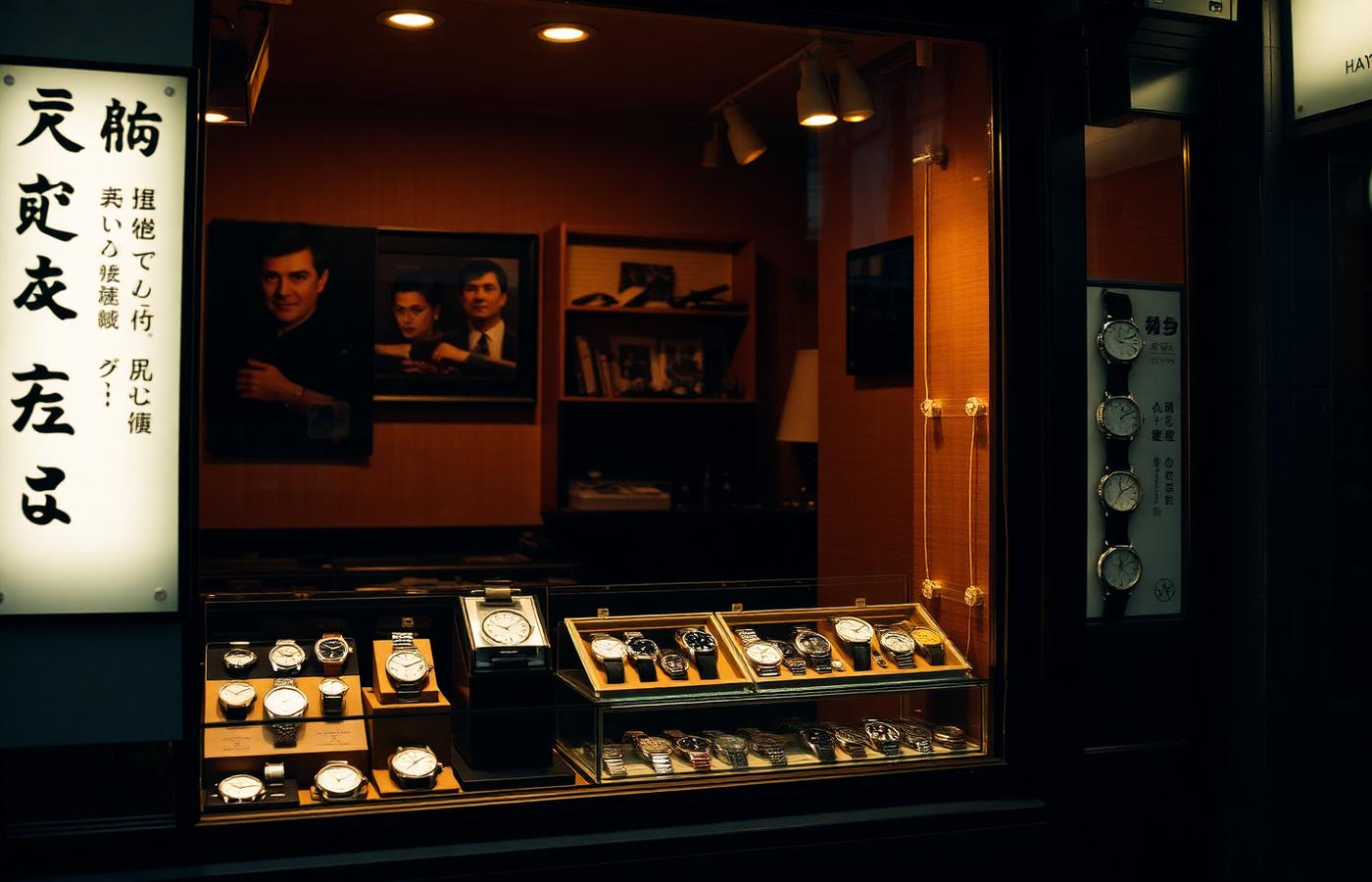
Marta has built the kind of collection that museums increasingly wish they had assembled twenty years ago. Everyday Swiss references from her window represent the daily life of postwar European wristwatch culture, and most of these pieces never received serious scholarly attention because they were too common to be interesting at the time.
She keeps a written card for each watch: acquisition date, price paid, seller notes, caliber identification, service history and any biographical detail the previous owner shared. Several of her entries include short handwritten letters from the family members who sold her the pieces.
Lessons for New Collectors
Marta's approach is not the only way to collect, but it demonstrates that a serious archive can be built on modest means through consistent effort. Her three principles translate to almost any budget and any market.
Set a clear thematic focus rather than trying to own everything. Impose a price discipline that forces you to walk away from most opportunities. Keep written records of everything you buy, because the story is often as valuable as the object.
Closing Perspective
The most interesting vintage collections are rarely the most expensive. Marta's Sunday routine is a reminder that collecting at its best is a form of applied history, and history rewards attention more than it rewards budget.
Background Knowledge
Vintage watch collecting is often described through the lens of high auction results, but a large parallel world of ground-level collecting operates through flea markets, estate sales and personal networks. This parallel world preserves everyday references that would otherwise disappear.
Extended Notes
Everyday European vintage watches from the 1955 to 1975 window include names like Certina, Doxa, Enicar and dozens of smaller Swiss manufactures that produced excellent time-only pieces at modest prices. Very few of these references trade at major auction houses.
Frequently Asked
- Are flea market finds still realistic in 2026?
- Yes, at the ground level. Most sellers know the value of famous names, but everyday Swiss references still surface regularly at fair prices.
- What should a first-time flea market hunter bring?
- A loupe, a small notebook, a fully charged phone for reference lookup and a willingness to walk away from any single piece.
Collector Value Note
A well-curated collection of everyday Swiss references from this window has meaningful long-term potential precisely because the segment remains underexplored by the mainstream market.
Sources & Further Reading
- Interview conducted with permission for this article
- Public flea market schedules from the Berlin city cultural office
This article is editorial commentary. It does not constitute authentication, valuation or investment advice.
Related Reading
More From the Register
Collector Profiles
Beyond the Famous Names: Five Obscure Swiss Manufactures Worth Following
Collector Profiles
Two Collections, One Household: How a Couple Coordinates a Shared Archive
Collector Profiles