Authenticating Hands and Pinions: The Small Details That Confirm Originality
Original hands with matching lume and correct pinion diameters are among the most under-examined authentication signals. Replacement hands are common, and they materially affect value.
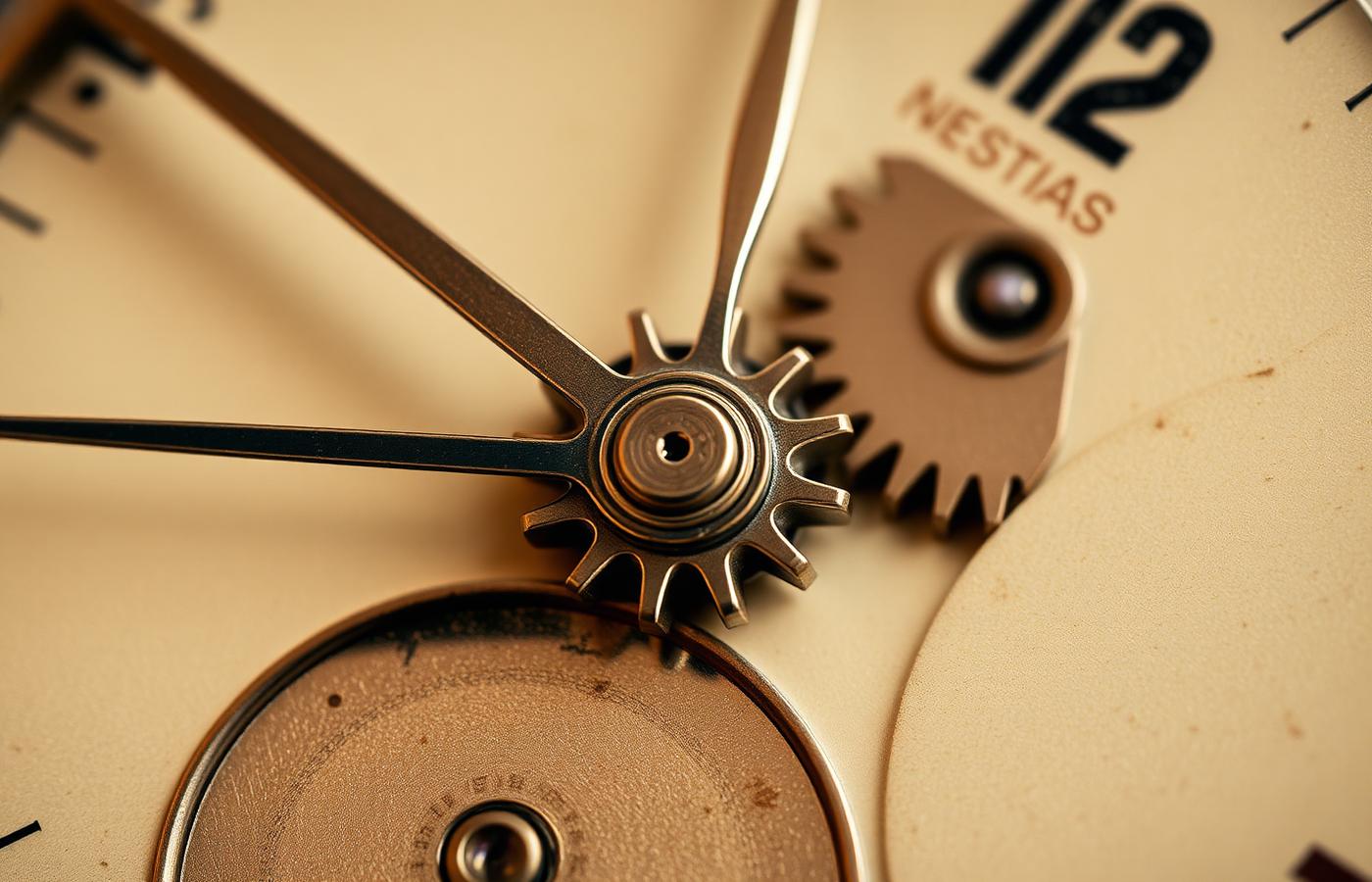
Beginners look at dials. Intermediate collectors look at cases. Advanced collectors look at hands. The reason for that hierarchy is simple: hands are the easiest component to replace during service, and therefore the least likely to be original on a sixty-year-old watch. A piece that has passed all the other authentication checks can still fail on the hands, and understanding what you are looking at requires patient study.
Shape and Profile
Every reference used a specific hand shape produced by a specific supplier or in-house workshop. The exact profile, the thickness of the polished surface, and the taper of the tip are all diagnostic. Service replacement hands, especially those sourced later in a reference's life, often deviate subtly from the original profile.
Photograph your candidate hands against high-resolution reference images of known-original examples. Differences of half a millimetre in the width of a hand base are meaningful and are the most common way replacement hands are identified.
Lume Matching
Original lume on hands should age at the same rate as lume on the dial. When you see a dial with warm cream-coloured hour indices and hands with bright white or yellow-green lume, the hands are almost certainly service replacements.
This is not always a disqualifier. Some collectors accept mismatched lume on early service pieces as a document of history. But it should always be reflected in the price, and it should always be disclosed in a sale description.
Pinion Diameter and Fit
Central pinion diameter is standardised across each caliber family, but hand hole diameters were not always perfectly consistent across service replacement stock. A hand that fits loosely on the pinion or requires excessive force to seat may be a mismatched replacement.
This is subtle work best done by an experienced watchmaker rather than at home. Ask the seller for high-magnification photography of the central pinion area, or arrange a pre-purchase inspection with a specialist if the piece is significant.
Documenting Originality
Where original hands exist, document them thoroughly at purchase. High-resolution photographs of the dial-hands relationship, taken at multiple angles under diffuse light, become invaluable evidence for future resale.
Store those photographs with your other documentation. In the vintage watch market, provenance and originality documentation now travel with a piece across ownership changes, and comprehensive early documentation supports every future valuation.
Closing Perspective
Learning to authenticate hands separates casual buyers from serious collectors. The difference in resale value between original and service hands is real, persistent and growing, and the time invested in learning to see the difference pays back many times over.
Background Knowledge
Watch hands were routinely replaced during service throughout the twentieth century. Service kits included fresh hands to correct bent, rusted or delaminated originals. Original hands on a sixty-year-old watch are the exception, not the rule.
Extended Notes
The gap between an original-hands example and a service-hands example of the same reference can exceed thirty percent in hammer terms. That premium reflects real scarcity, not aesthetic preference, and it has held up consistently across market cycles.
Frequently Asked
- How can I tell if hands are original?
- Compare the lume colour, the exact shape profile, and the finish of the hands against confirmed original examples of the same reference and production period.
- Do service hands lower value permanently?
- Yes, but not fatally. The piece is worth less than an original-hands equivalent but more than a piece with additional issues.
- Can original hands be sourced from parts specialists?
- New-old-stock original hands exist for common references but are expensive and require expert fitting. Replacement rarely restores full original-hands value.
Collector Value Note
When two otherwise equivalent examples appear at auction, the one with matching original hands consistently hammers 20 to 35 percent higher. This spread has widened as beginner collectors have become more literate.
Sources & Further Reading
- Manufacturer parts catalogues from the 1950s through the 1980s
- Comparative dial and hand photography from major auction house archives
This article is editorial commentary. It does not constitute authentication, valuation or investment advice.
Related Reading
More From the Register