Strap and Bracelet Pairing: A Vintage Wearability Guide
The right strap transforms a vintage watch from an object into a companion. A guide to choosing leather, textile and metal options that respect the piece.
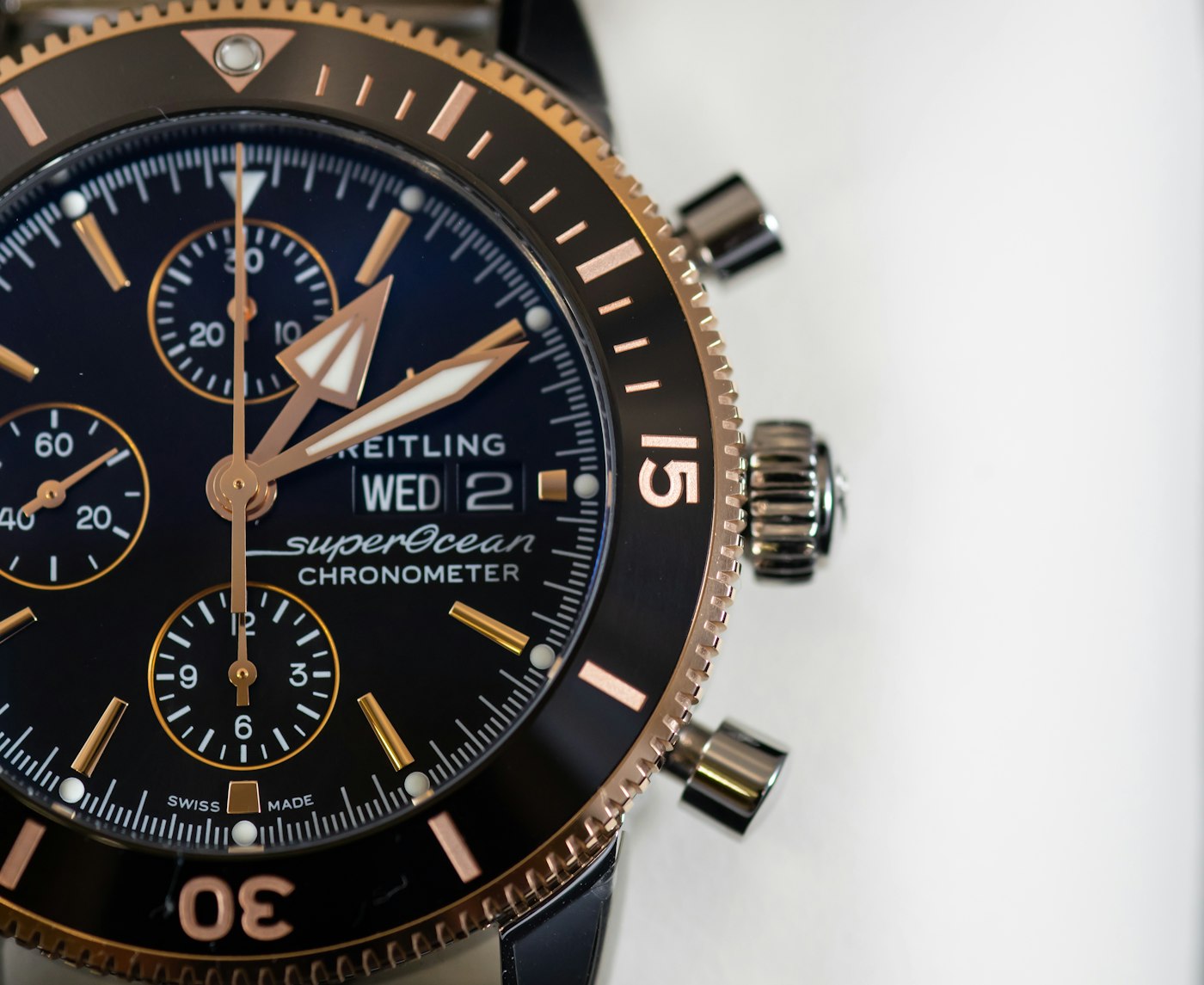
Strap choice is the most reversible and often the most personal aspect of vintage watch ownership. It is also where many owners either elevate their pieces or diminish them.
Getting the Width Right
Measure the distance between the inside faces of the two upper lugs in millimetres. This is the strap width. Common vintage widths are 18, 19 and 20 millimetres, with 19 particularly common on 1960s and 1970s Swiss references.
A strap one millimetre too narrow will show a visible gap at the lugs; one millimetre too wide simply will not fit. Buy exactly the correct width, or have a strap made to specification if the width is uncommon.
Leather Choices
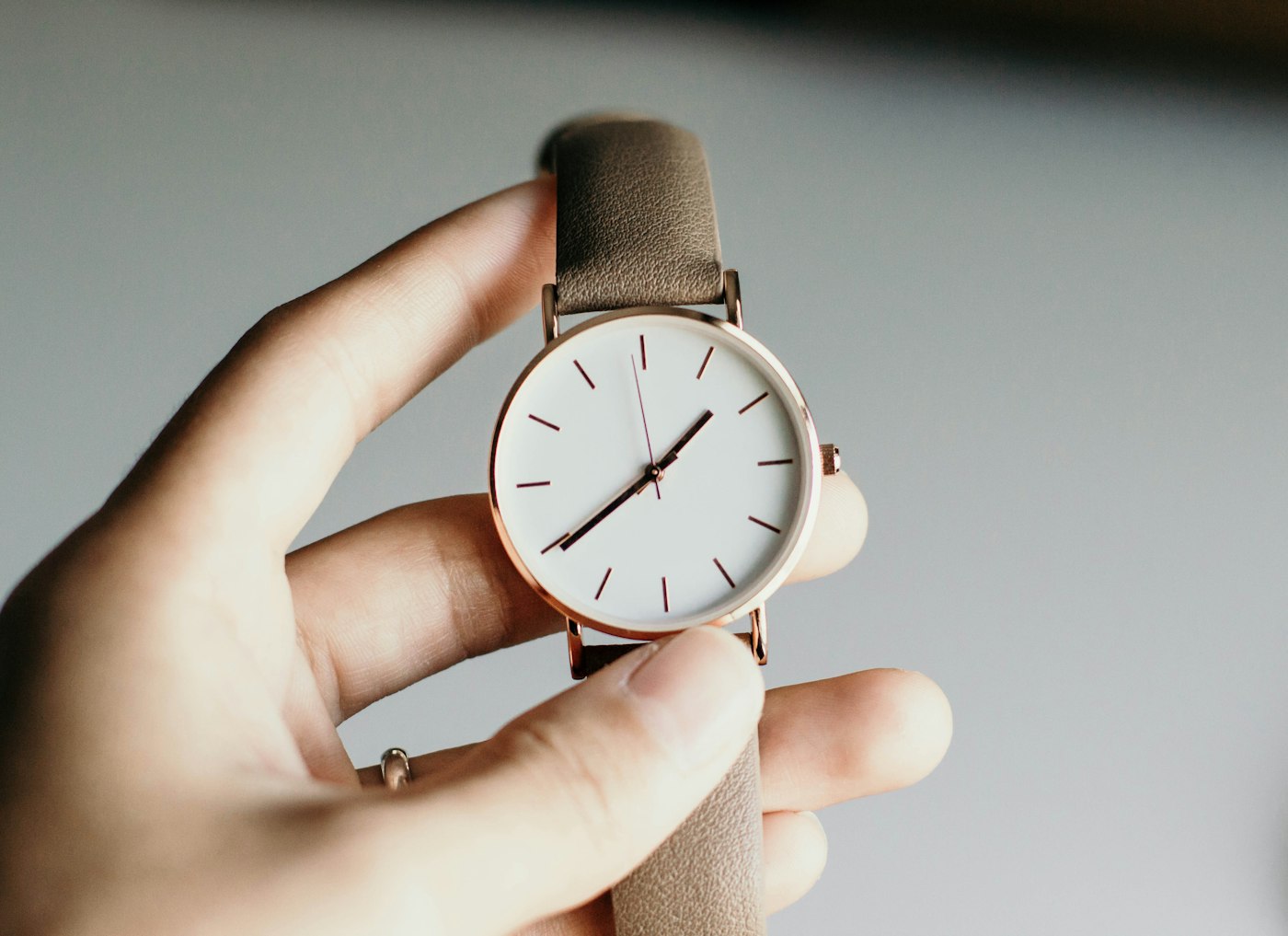
For dress vintage watches, thin alligator or calf in black or brown remains the timeless choice. Look for stitching that matches the era of the piece; heavy contrast stitching feels contemporary and can jar with a 1950s or 1960s design.
For sport vintage watches, brown or grey suede, canvas-lined leather and rally-perforated leather all pair well and add character without overwhelming the case.
Textile and Rubber Options
Nylon single-pass straps and canvas straps suit tool watches and travel wear. They forgive moisture better than leather and cost little enough to rotate freely.
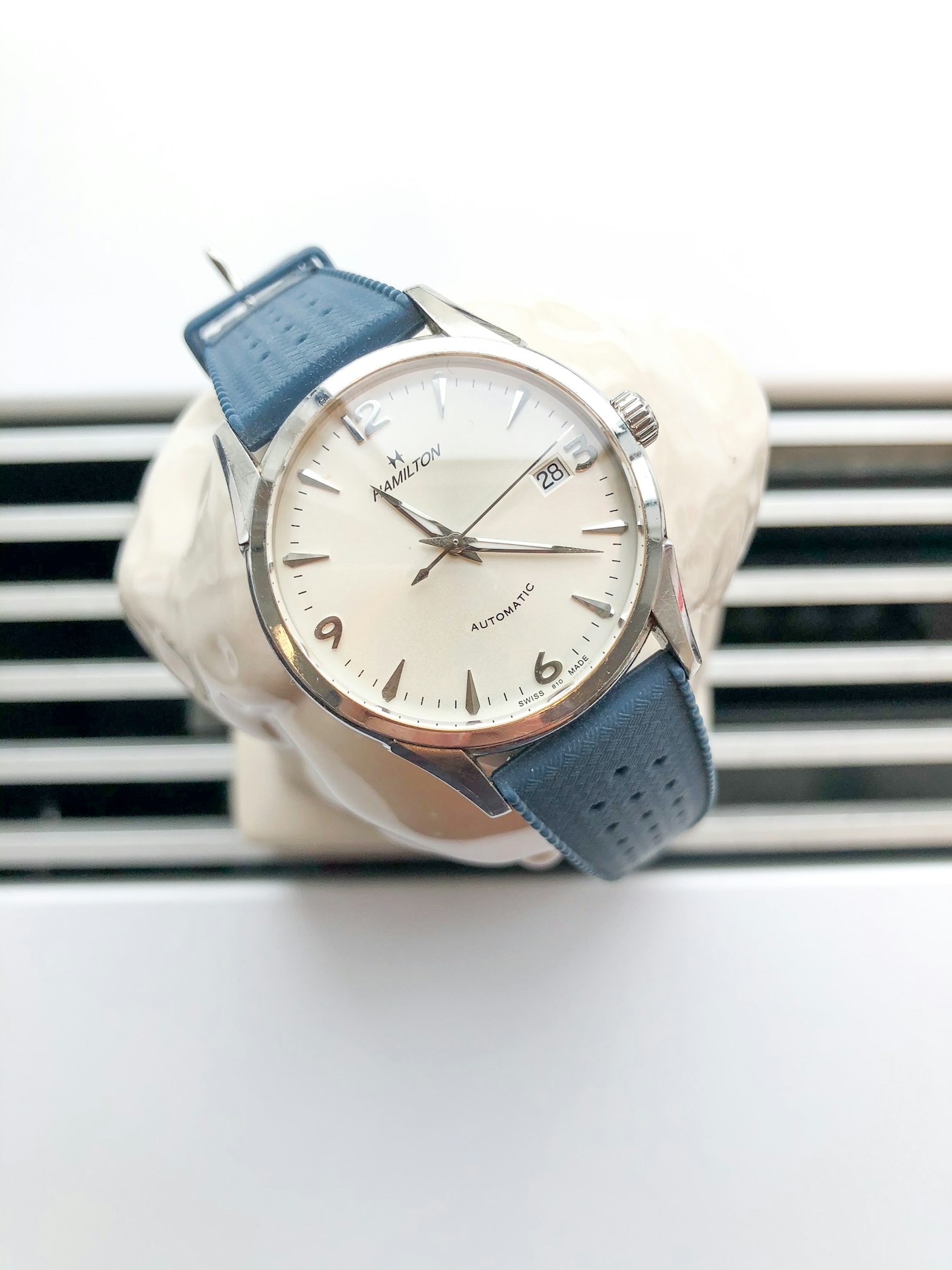
High-quality vintage-style rubber straps are now widely available and work well for casual wear, but they can look anachronistic on formal dress references and should be chosen with restraint.
Bracelet Considerations
Original bracelets carry both stylistic and monetary value. If your watch came with its original bracelet, preserve it carefully even if you wear the piece primarily on a strap. Store the bracelet in a soft pouch, keep it clean and photograph it periodically for records.
Adjust bracelet fit by removing full links first and using half-links only for final adjustment. A bracelet fitted too loosely wears the pin holes and end links prematurely; one fitted too tightly is uncomfortable and encourages the wearer to loosen the clasp, which introduces its own wear.
Closing Perspective
Strap and bracelet choice is where a vintage watch either becomes part of your daily life or stays in a drawer. Choose thoughtfully, keep the originals safe and enjoy the flexibility of a well-chosen rotation.
Background Knowledge
Original bracelets and straps rarely survive fifty years of daily wear intact. Most vintage watches today wear a later strap, and choosing that strap thoughtfully is part of respecting the piece.
Extended Notes
The width between lugs, expressed in millimetres, dictates strap compatibility. Common vintage widths include 18, 19 and 20 millimetres. Buying the wrong width by even a single millimetre creates gaps that look sloppy and expose the case to wear.
Frequently Asked
- Should I keep the original bracelet?
- Yes, always, even if you prefer to wear the watch on a strap. Original bracelets are collectible in their own right and often difficult to source later.
- Are aftermarket straps acceptable?
- Absolutely. A well-chosen aftermarket strap in period-appropriate style is preferable to a worn or ill-fitting original.
Collector Value Note
A period-correct original bracelet in good condition can add ten to twenty percent to the value of a sport watch. Keep it, even if you prefer the piece on leather.
Sources & Further Reading
- Independent strap maker technical guidance
- Vintage bracelet reference publications
This article is editorial commentary. It does not constitute authentication, valuation or investment advice.
Related Reading
More From the Register

Care & Restoration