Special: Postwar Dress Watches Under 36 Millimetres
A curated dossier on small dress watches from 1948 to 1965, when Swiss manufacturers produced some of the finest thin manual-wind pieces of the century.
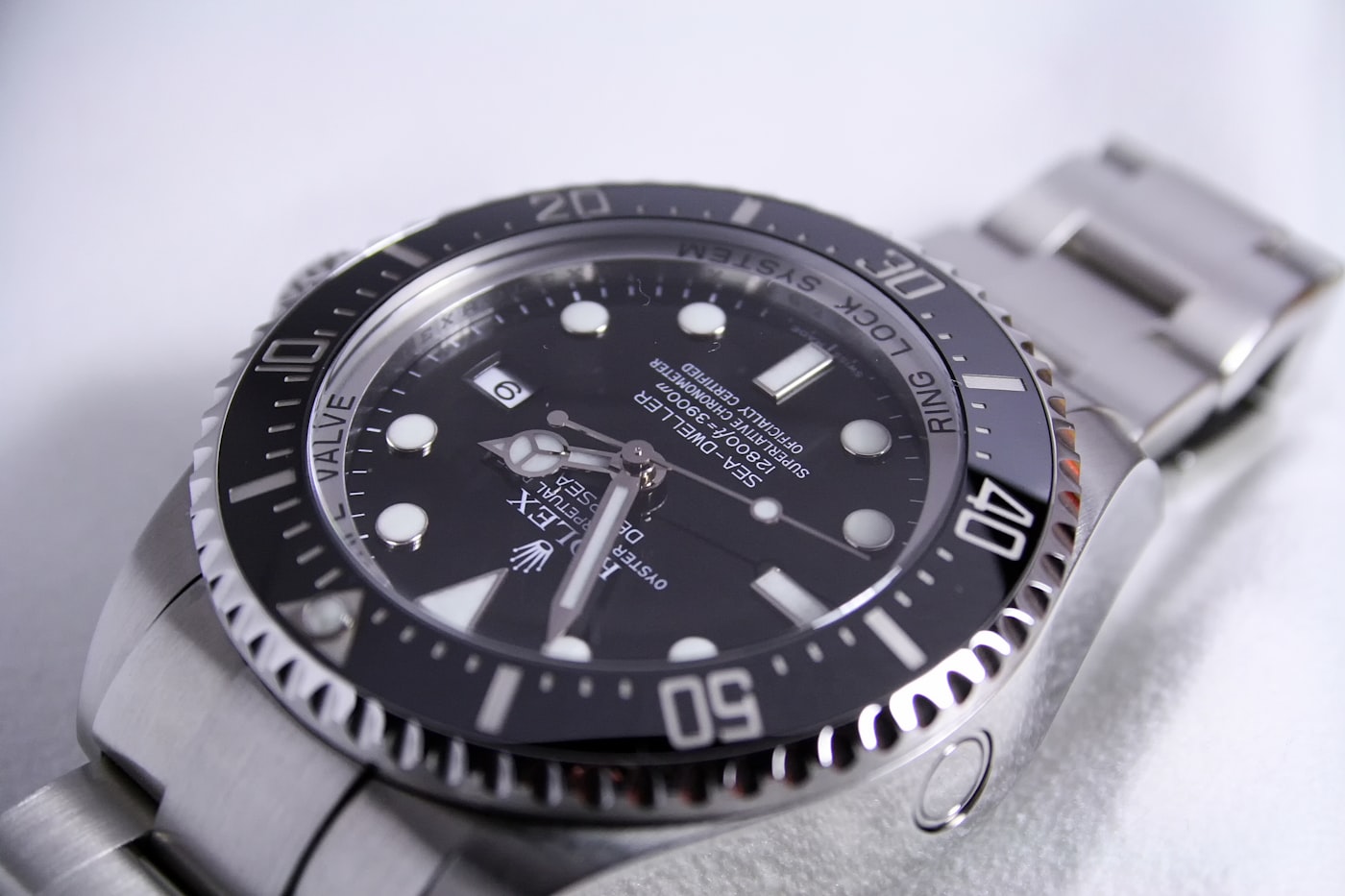
The mid-century dress watch is out of fashion, which is exactly why serious collectors continue to buy them. Between 1948 and 1965, Swiss manufacturers produced some of the finest thin manual-wind pieces of the century, and today those references remain accessible in ways that comparable sport watches from later decades are not.
The Aesthetic Case
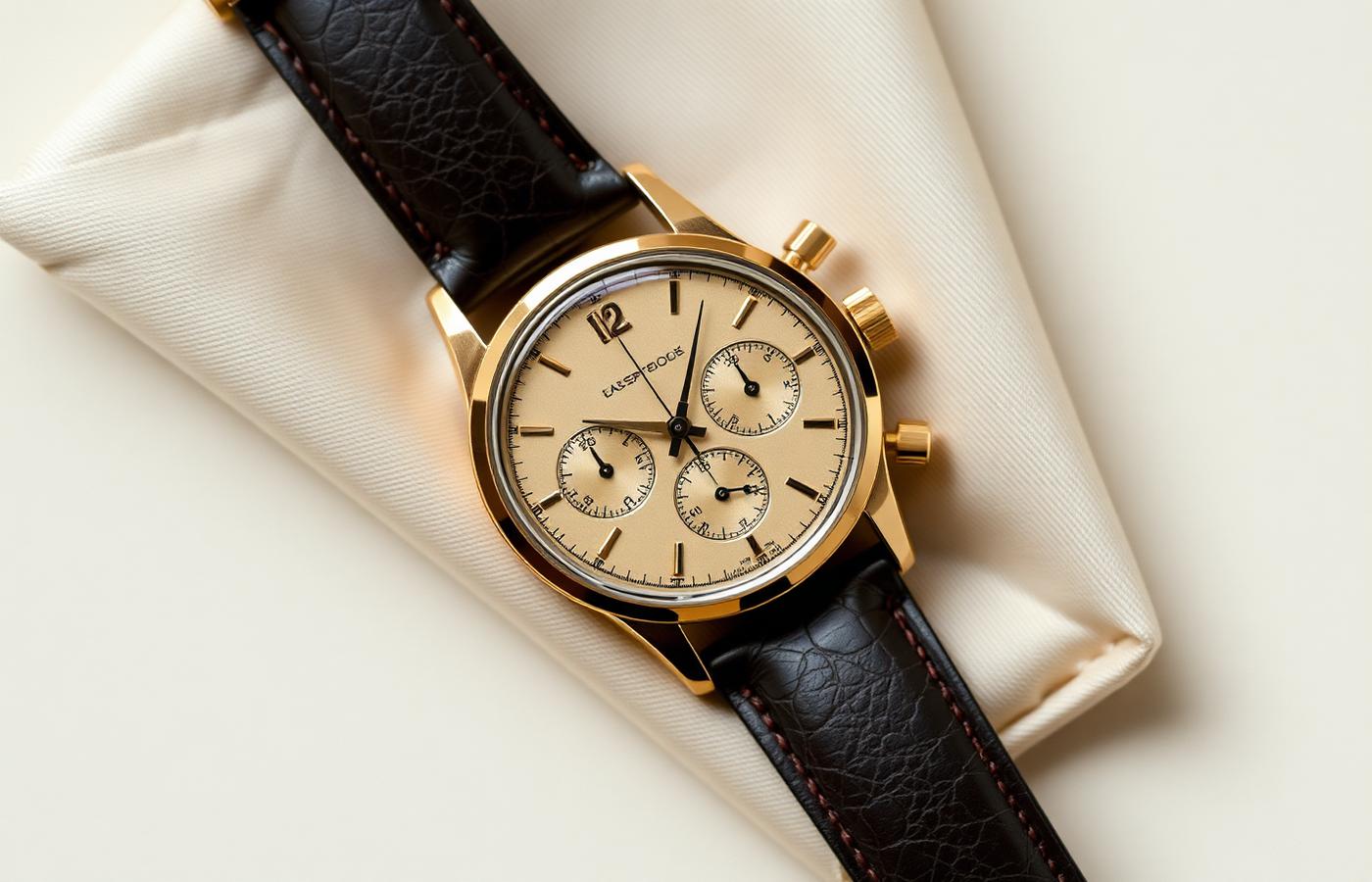
A well-proportioned dress watch from this window sits on the wrist with a quiet authority that few later designs match. Case thickness of six to eight millimetres, lug-to-lug distance under 42 millimetres and dial layouts designed for legibility rather than statement all combine into an object of considerable understated presence.
The current sizing convention will not last forever. Fashion cycles in menswear are shorter than most collectors assume, and small dress watches will eventually return to broader awareness. Building an archive now, at current prices, is a straightforward opportunity for patient buyers.
Technical Quality
The best manual-wind dress calibers from this window are exceptional pieces of engineering. Bridge geometry, screw slot orientation, gear train finishing and general execution frequently exceed contemporary equivalents at multiples of the price.
Movements from major houses of the period were often supplied to the wider industry as branded or unbranded ébauches, meaning excellent pieces frequently sit inside cases from less famous manufactures. Studying the caliber history alongside the brand history opens up the segment considerably.
What to Look For
Focus on case geometry first. Small dress watches suffer particularly badly from over-polishing because their thin cases have little metal to spare. A well-preserved case with intact bevels is worth a significant premium over a polished example.
Dial condition is the second priority. Small dress dials often develop subtle warm patinas that suit the era beautifully; refinished dials on small pieces rarely match the original character and are usually easy to identify under loupe examination.
Provenance is a bonus. Original boxes, papers and service records for dress watches from this window are increasingly rare, and pieces that retain them are worth actively seeking out.
Everyday Wear
Small dress watches suit contemporary wardrobes surprisingly well. Under a tailored shirt cuff they disappear elegantly, and paired with casual wear they read as thoughtful rather than out of place.
Service costs for well-made hand-wound calibers from this window are typically modest, and reliable independent watchmakers familiar with the period are widely available. Long-term ownership is straightforward and inexpensive relative to sport references from later decades.
Closing Perspective
Small dress watches from 1948 to 1965 remain one of the most quietly interesting segments in vintage collecting. Build the archive now, wear the pieces regularly and enjoy the fact that most of the rest of the market has not yet caught up.
Background Knowledge
Between 1948 and 1965, thin manual-wind dress watches under 36 millimetres represented the mainstream of Swiss production. What today feels small was the standard sizing of the era, and the technical and aesthetic quality of the best pieces from this window remains outstanding.
Extended Notes
Wrist proportions and stylistic preferences shifted decisively toward larger cases from the late 1960s onward. Small dress watches remain broadly out of fashion, which is precisely why the segment offers exceptional value for collectors willing to look past current sizing conventions.
Frequently Asked
- Are 34 millimetre watches wearable today?
- Absolutely. The mid-century sizing convention was chosen for a reason, and many wrists carry a small dress watch more elegantly than a larger sport reference.
- Do these pieces hold value?
- Prices in this segment have been broadly flat for a decade. The upside is that entry costs remain modest and quality per unit of spend is unusually high.
Collector Value Note
Small dress watches from this window offer some of the best mechanical value in vintage collecting. A well-preserved example teaches more about mid-century watchmaking than most sport references from later decades.
Sources & Further Reading
- Reference publications on postwar Swiss dress watch production
- Independent case archaeology projects
This article is editorial commentary. It does not constitute authentication, valuation or investment advice.
Related Reading
More From the Register