Special Collection: Manual-Wind Dress Chronographs, 1950 to 1970
The dress chronograph is the most under-appreciated segment in mid-century vintage. Slim, elegant, mechanically interesting and still priced within reason relative to sports chronographs of the same era.
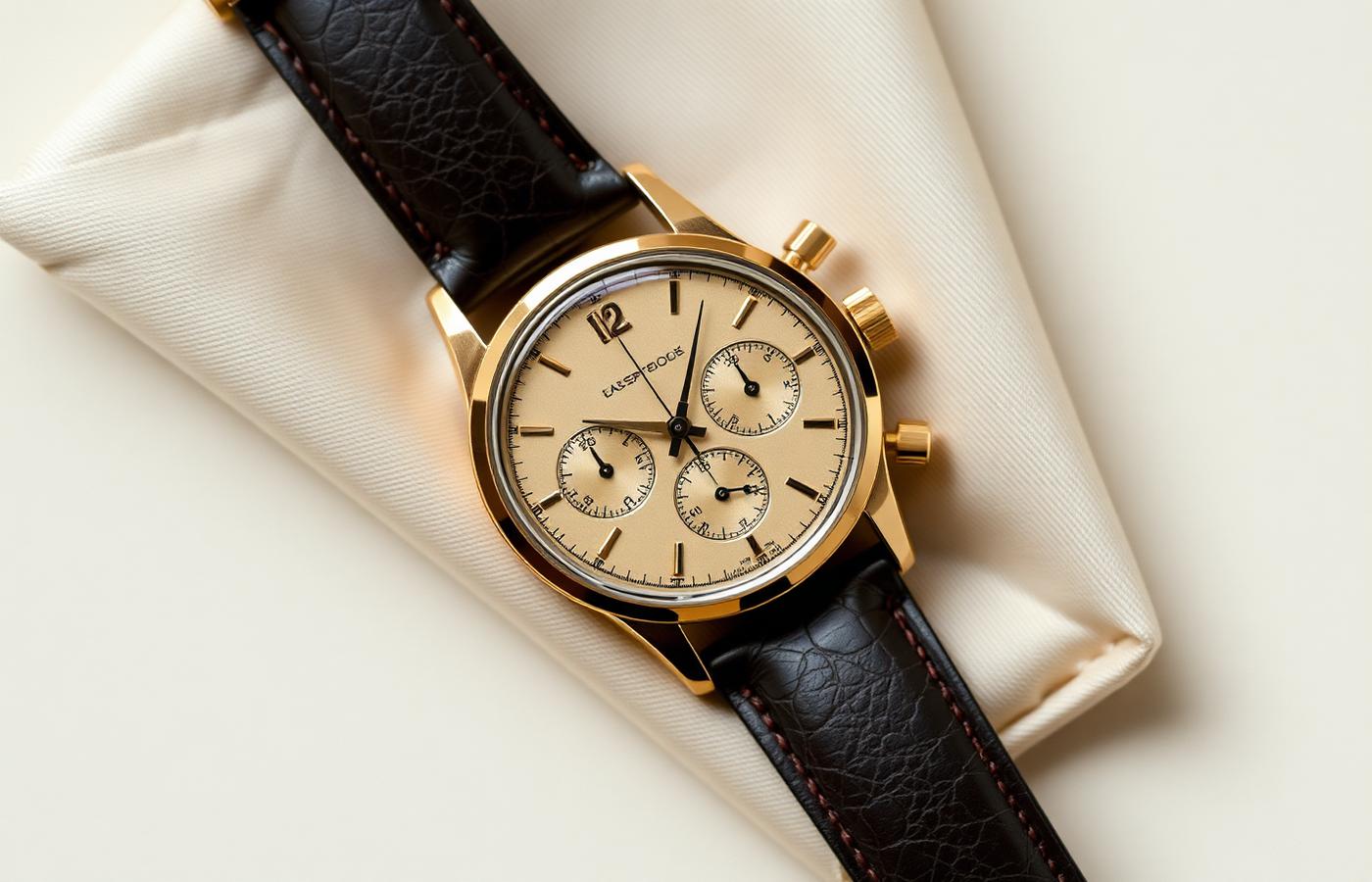
The manual-wind dress chronograph is the segment most contemporary collectors admire and then fail to buy. It is admired because the mechanical complexity paired with slim elegance is genuinely rare in current production. It is not bought because sports chronographs from the same era have absorbed most of the collecting attention, most of the auction coverage, and most of the price appreciation. That imbalance is now closing, but the segment remains historically accessible for collectors willing to look past the sports chronograph headline coverage.
The Case for the Segment
A manual-wind dress chronograph combines everything mid-century watchmaking did best: caliber refinement inherited from earlier decades of pocket watch tradition, case finishing at levels difficult to reproduce today, and dial design under the discipline of legibility rather than novelty. The results are pieces that read as timeless in a way sports chronographs from the same era sometimes do not.
Case diameters between 34mm and 37mm suit most modern wrists better than the oversized reissues that dominate current production. Slim profiles allow the pieces to sit comfortably under cuffs, which is exactly what they were designed to do.
Movement Families to Study
The great manual-wind chronograph calibers of this period, Valjoux 22, Valjoux 72, Landeron 48, Venus 175 and Lemania 27 CH, powered dress chronographs across dozens of brands. Learning their signatures allows you to buy on movement quality rather than only on brand recognition.
The same caliber under a Longines dial and under a lesser-known brand may cost dramatically different amounts today, though the underlying watchmaking is closely comparable. This variation is one of the most productive areas of value discovery in current vintage collecting.
Condition Priorities
Dial condition matters more in dress chronographs than in almost any other vintage segment. The clean geometric layouts leave no visual noise to hide defects, and even minor spotting or restoration is immediately visible.
Case condition, particularly on precious metal examples, is the second priority. Yellow gold dress chronograph cases were often lightly polished during service, softening the bevels that define the original design. Unpolished examples command significant premiums for that reason.
Building a Focused Archive
The segment lends itself well to focused collecting. A meaningful personal archive of five to ten manual-wind dress chronographs, chosen across brands and caliber families, can be built for a fraction of what a single marquee sports chronograph would cost today.
That archive will not double in value overnight. But it will appreciate steadily as the general market catches up with what the segment has always offered, and along the way it will provide the kind of daily wearing pleasure that speculative purchases rarely deliver.
Closing Perspective
The dress chronograph segment rewards patience and study more than most areas of vintage collecting. It is also one of the few remaining segments where a knowledgeable beginner can still build a meaningful collection without competing directly against institutional money.
Background Knowledge
Manual-wind dress chronographs were the workhorses of European professional life from the mid-1950s until quartz displacement in the late 1970s. Their combination of mechanical complexity and elegant proportions is difficult to reproduce today.
Extended Notes
The dress chronograph segment traded at persistent discounts to sports chronographs from the same period until around 2020. That discount has narrowed but not closed, and the segment remains one of the more accessible entries into mid-century collecting.
Frequently Asked
- What defines a dress chronograph?
- Case diameter under 37mm, precious metal or slim steel case, minimal bezel treatment, and dial design prioritising legibility over sports functionality.
- Which brands should I focus on?
- Longines, Universal Genève, Vacheron Constantin, Movado and Zenith all produced significant dress chronographs during this period, at very different price points today.
- Are they practical to wear?
- Yes. Manual winding takes twenty seconds a day, and the chronograph function is genuinely useful for the kinds of small time measurements it was originally designed for.
Collector Value Note
Well-preserved manual-wind dress chronographs from the late 1950s and early 1960s still represent one of the most favourable value propositions in mid-century vintage, particularly compared with the sports chronograph segment.
Sources & Further Reading
- Comparative pricing data on dress and sports chronographs across Geneva and New York sales, 2015 to 2026
- Reference-family production estimates for the major mid-century Swiss chronograph manufacturers
This article is editorial commentary. It does not constitute authentication, valuation or investment advice.
Related Reading
More From the Register