Special: The Golden Age of Mechanical Chronographs, 1958 to 1972
A dossier on the fifteen years when mechanical chronographs reached their design and engineering peak, from cam-lever calibers to the arrival of the first automatic movements.
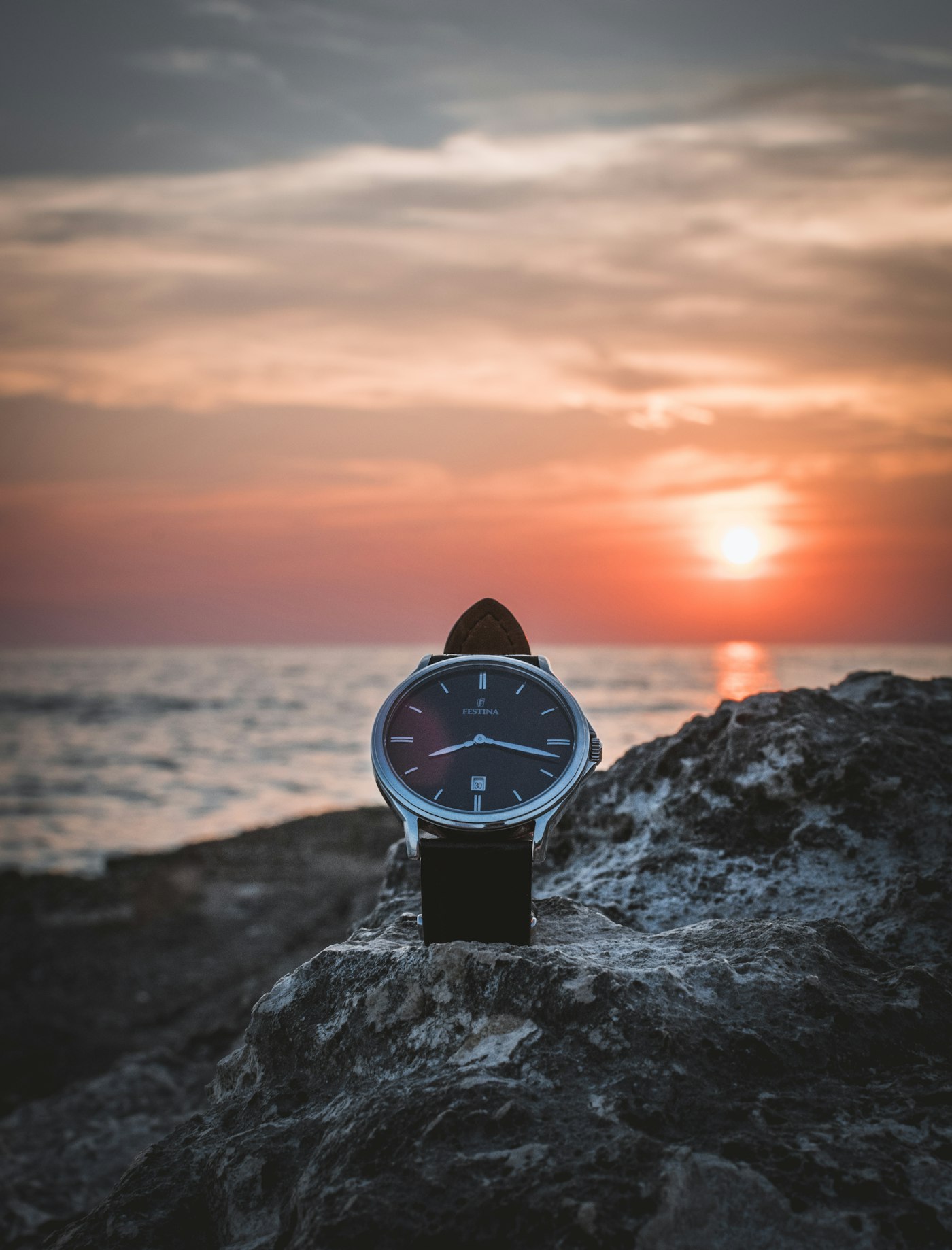
The chronograph occupied an unusual place in twentieth-century watchmaking. It was simultaneously a professional tool for scientific, medical and motorsport use, and a design canvas that pushed case, dial and bezel innovation harder than any other complication family. Between 1958 and 1972, the mechanical chronograph reached a peak that most collectors still consider unmatched.
The Technical Backdrop
At the start of the period, most chronographs used hand-wound movements based on the cam-lever architecture inherited from the 1940s. By the mid-1960s, column-wheel calibers had regained the upper hand for premium references, offering crisper pusher feel and cleaner operation.
The definitive event came in 1969 with the near-simultaneous arrival of the first commercially viable automatic chronograph movements. The engineering competition between the competing designs produced a burst of innovation across the industry, and many of the resulting references are among the most collected pieces from the century.
Design Language
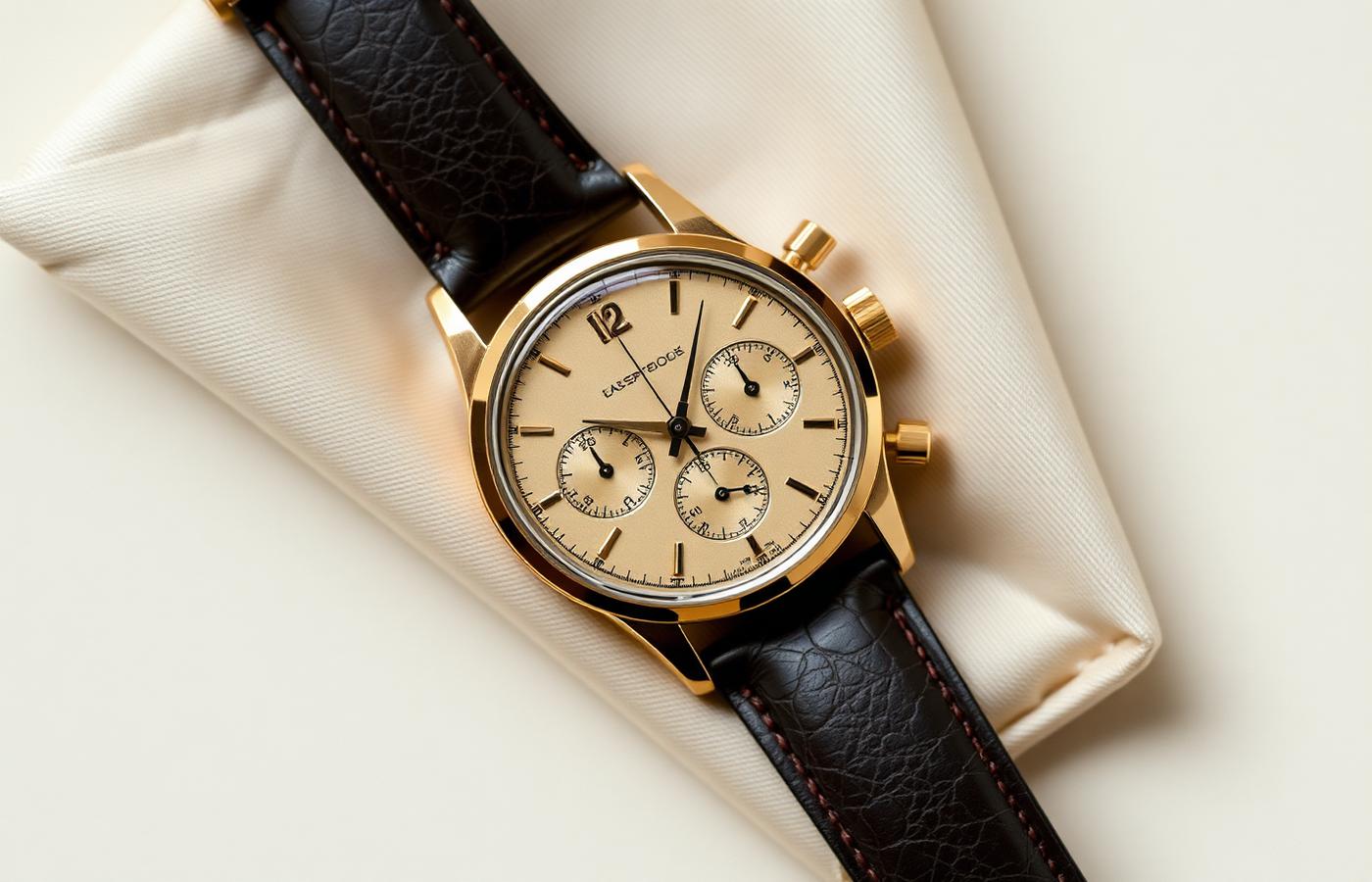
Case proportions moved from the modest 35 to 37 millimetre norm of the late 1950s toward larger 39 to 42 millimetre formats by the early 1970s. Tachymeter bezels, panda and reverse-panda dials, orange and red accent handling, and adventurous case shapes such as barrel and cushion forms all peaked in this window.
The design ambition of the period reflected the wider culture. Motorsport, aviation and space exploration all pushed chronograph relevance, and manufacturers responded with visually confident references intended to be seen as tools rather than jewellery.
Collecting the Period Today
Famous references from this window have appreciated significantly and now trade at prices that place them out of reach for entry-level collectors. Second-tier houses from the same period, including many mentioned in previous articles on obscure Swiss manufactures, remain accessible entry points to the technical peak of mechanical chronograph design.
Condition considerations for chronographs are stricter than for time-only vintage. Original pushers, unbroken chronograph work, matching sub-dial finish and clear service history all matter more than they do for simpler references. Budget accordingly and inspect thoroughly.
Where to Start
Begin with published caliber histories rather than model histories. Identifying two or three movement families you want to represent in your archive provides a stable framework for individual reference decisions.
Read the pre-1969 hand-wound and post-1969 automatic chapters of the period separately. Each has distinct condition considerations, price dynamics and service implications.
Closing Perspective
The chronographs of 1958 to 1972 stand as a shared reference point for the entire vintage community. Collectors who spend time in this period build both a personal archive and a working understanding of the twentieth-century Swiss industry at its most confident.
Background Knowledge
The years between 1958 and 1972 saw mechanical chronograph design reach a peak that has never been matched since. Cam-lever calibers gave way to column-wheel designs, hand-wound movements were joined by the first automatic chronographs, and case design evolved from small dress proportions to bolder sport formats.
Extended Notes
This dossier consolidates the reference lists and technical notes from four previous articles on individual chronograph references, providing a single starting point for collectors entering the category.
Frequently Asked
- Why does this period get called a golden age?
- Because it combined mature hand-wound engineering, the introduction of automatic winding, and unusually strong industrial design across many houses simultaneously.
- Are these references still affordable today?
- Prices vary widely by name. Second-tier houses from the period remain surprisingly accessible; famous references have appreciated significantly.
Collector Value Note
Chronographs from this window represent one of the most historically important segments of vintage collecting. Well-preserved examples across the reference spectrum remain worth serious study.
Sources & Further Reading
- Published caliber histories from major twentieth-century Swiss manufacturers
- Independent scholarship on the arrival of the first automatic chronographs in 1969
This article is editorial commentary. It does not constitute authentication, valuation or investment advice.
Related Reading
More From the Register