Special: Diver Watches 1953 to 1975, The Formative Two Decades
A consolidated dossier on the two decades when the modern diver watch took its familiar form, from early skin divers to fully mature saturation-rated pieces.
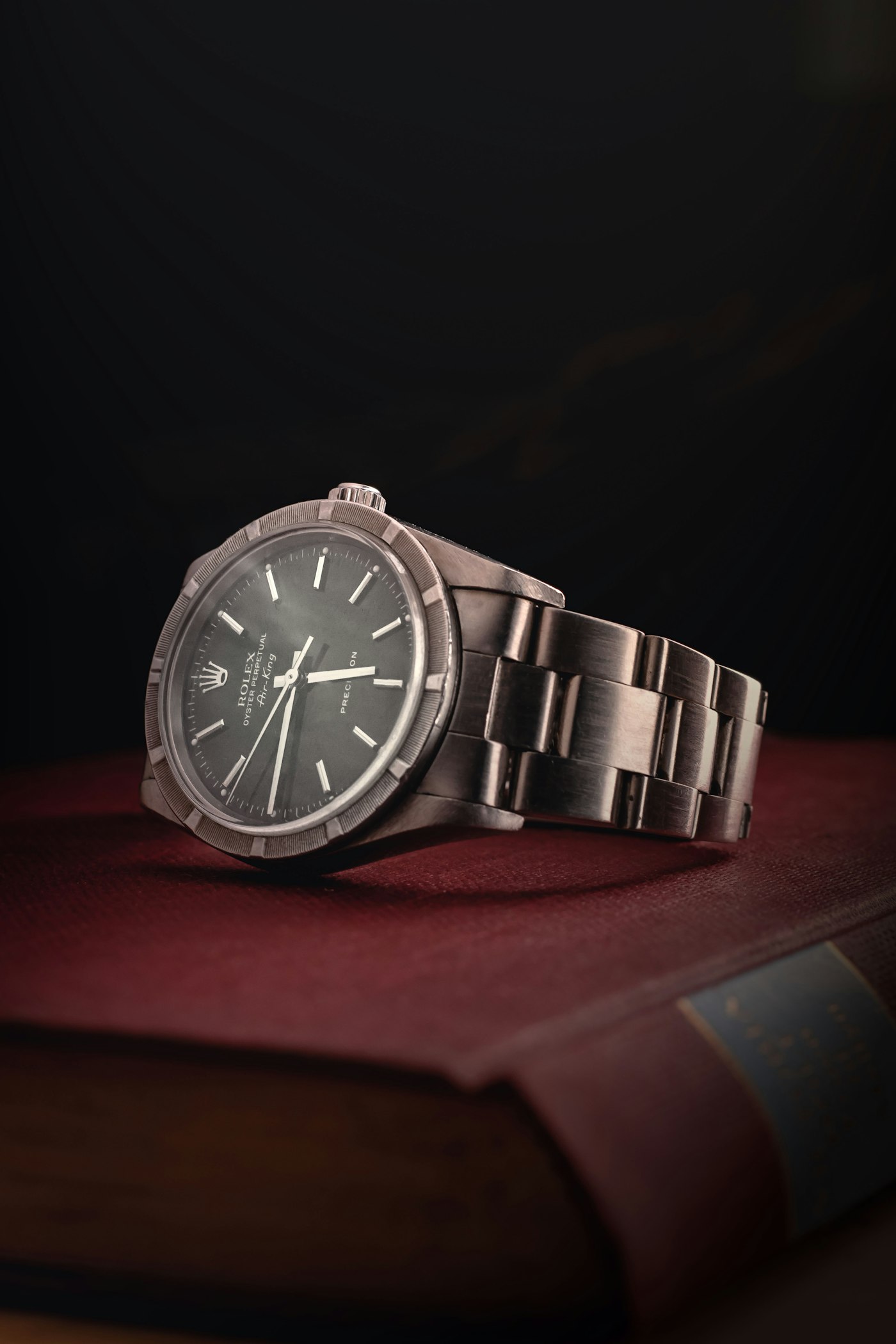
The diver watch as a category barely existed in 1950 and was fully mature by 1975. The compressed timeline of that transformation is what makes the period so rewarding to collect: nearly every major diver design decision that still shapes the segment today was made during these two decades.
The Early Divers, 1953 to 1962
The first commercially significant diver watches arrived in 1953 with references from three different manufacturers reaching the market almost simultaneously. These early designs established the fundamental elements: high water resistance ratings, luminous markers, rotating timing bezels and robust case construction.
Early divers were relatively small by later standards, typically 37 to 39 millimetres, and their bezels were often bidirectional. Both conventions would evolve toward larger cases and unidirectional bezels within a decade.
Maturation, 1962 to 1970
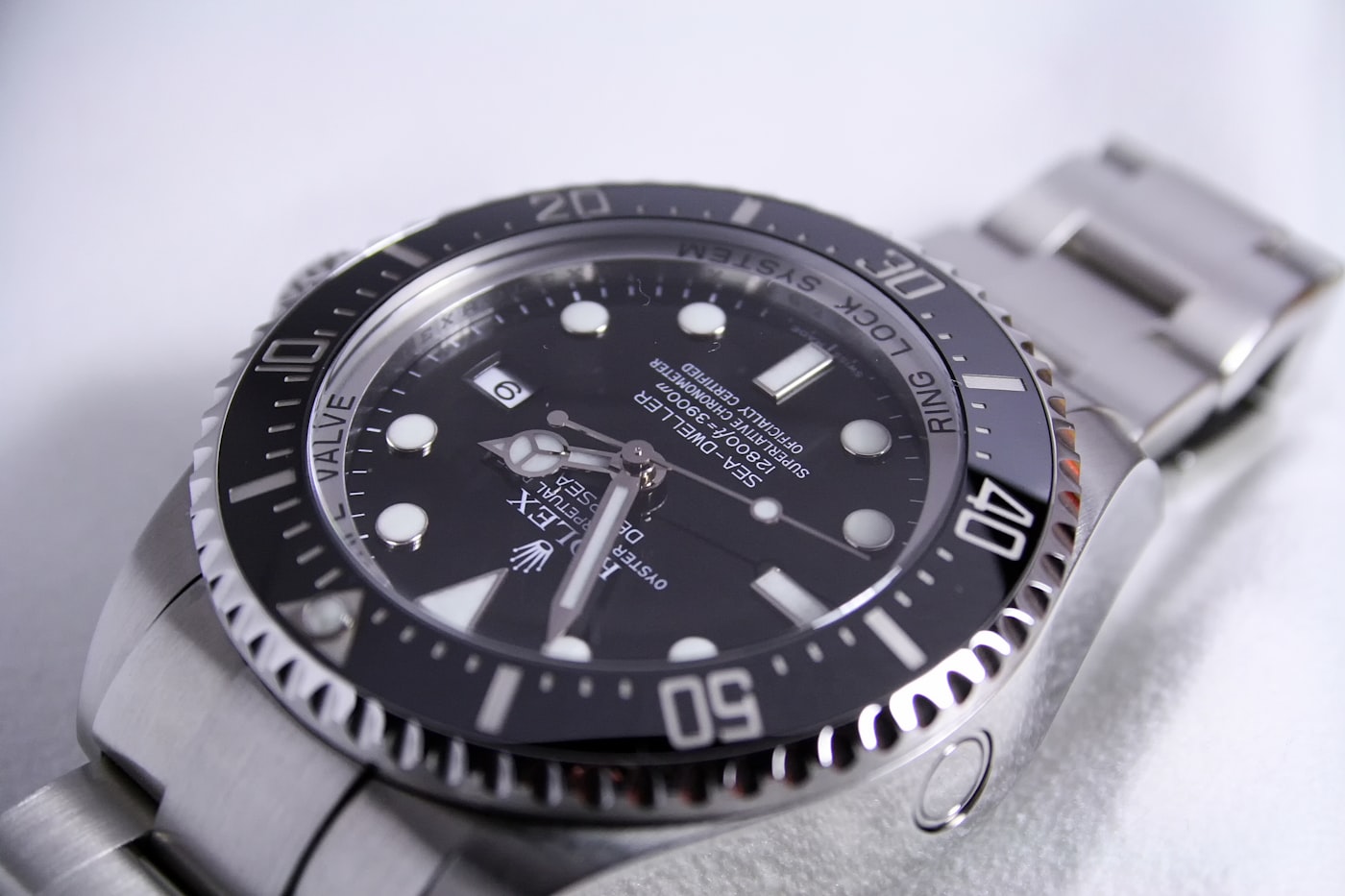
The core design vocabulary of the diver watch settled during the 1960s. Unidirectional bezels became standard, case sizes grew toward 40 millimetres and above, dial layouts standardised around large luminous hour markers and high-contrast handsets, and helium escape valves appeared for saturation-diving applications.
This period also saw the development of the crown guard as a standard feature on serious sport divers, addressing the common problem of accidental crown activation during physical use.
Late Period, 1970 to 1975
By the early 1970s, diver watches had reached forms that would remain broadly stable for the next fifty years. Depth ratings continued to increase, but the underlying case, dial and bezel architecture was essentially settled.
The period ended with the quartz transition, which briefly interrupted mechanical diver development. When mechanical divers returned to prominence in the 1980s and 1990s, they drew directly on the reference vocabulary established in the years covered by this dossier.
Collecting the Period
Famous divers from this window have appreciated dramatically over the past two decades and now trade at price levels that limit access for entry-level collectors. The less famous end of the segment remains meaningfully more accessible and offers excellent design and mechanical quality.
Condition considerations for vintage divers are stricter than for most categories. Original bezel inserts, matching lume between dial and hands, original bracelet end links and clear service history all significantly affect value. Refinished dials and replacement bezel inserts are particularly common on this segment and warrant careful inspection.
Closing Perspective
The diver watches of 1953 to 1975 tell a compressed and important story about twentieth-century design and engineering. Whether at the famous end or the accessible end of the segment, this window rewards deep study.
Background Knowledge
The modern diver watch as recognised today emerged in a compressed period between 1953 and roughly 1975. During these two decades, water resistance standards, unidirectional rotating bezels, high-contrast dials and robust bracelet architecture all converged into the familiar diver template.
Extended Notes
Diver watches from this window are among the most collected categories in vintage watchmaking, and pricing at the famous end of the segment is now among the highest in the market. The formative years also produced dozens of less famous references that remain accessible.
Frequently Asked
- Are vintage divers safe to actually dive with?
- Not without a recent professional pressure test. Original water resistance ratings are essentially historical after decades without gasket replacement.
- Why did diver watches evolve so quickly in this period?
- Commercial and military demand grew rapidly with the popularisation of recreational and professional diving, and multiple manufacturers competed intensely on functional specification.
Collector Value Note
The famous divers of the period trade at high prices reflecting their historical importance. Less famous references from the same window offer strong mechanical and design value at more accessible levels.
Sources & Further Reading
- Published reference guides on twentieth-century diver watch development
- Historical dive equipment technical literature
This article is editorial commentary. It does not constitute authentication, valuation or investment advice.
Related Reading
More From the Register