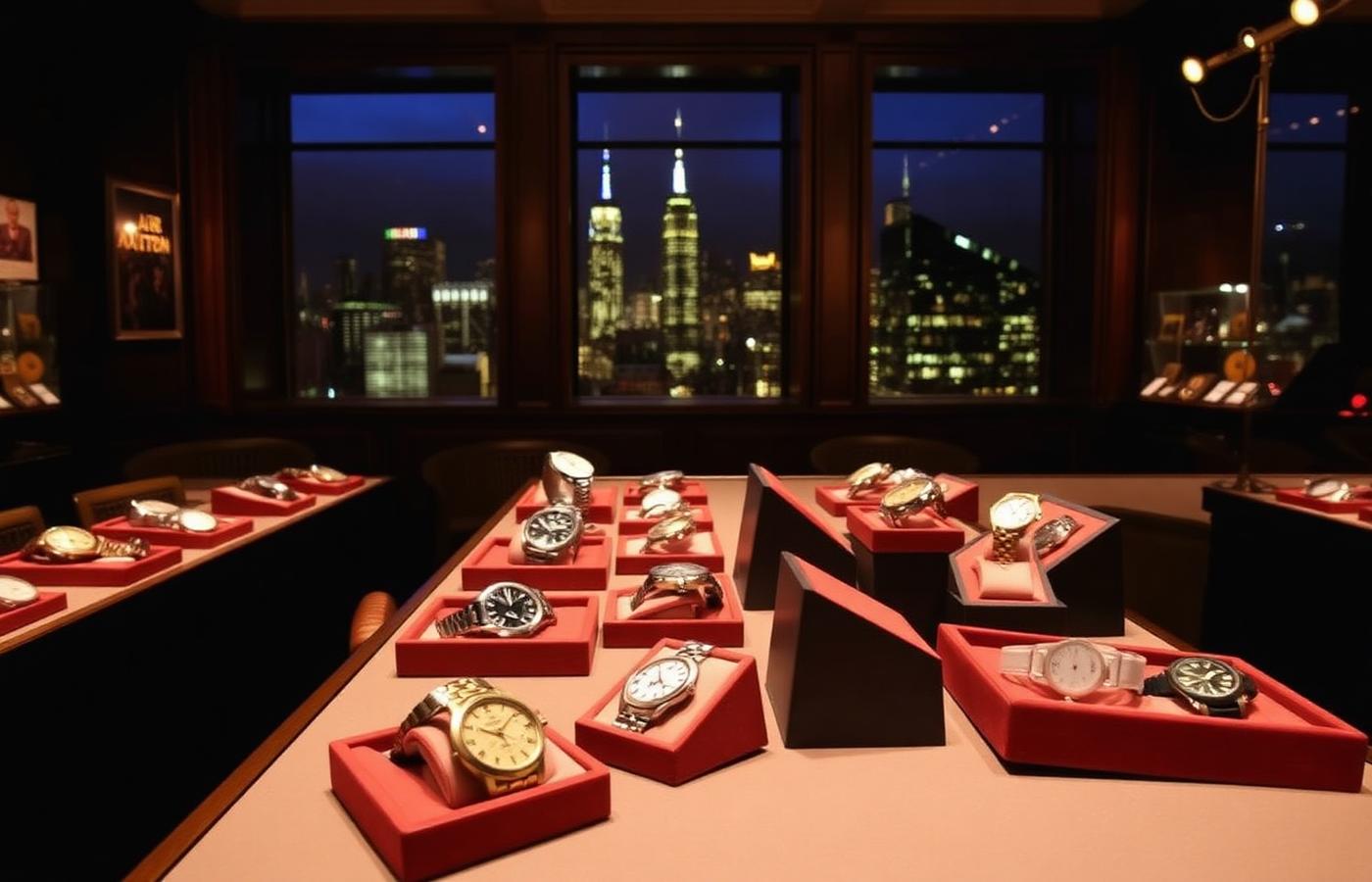
Reissue Fever: How Heritage Reissues Are Reshaping Vintage Demand
From skin-diver revivals to gilt-dial tributes, modern reissues are pulling new collectors into vintage territory. The effect on original prices is more nuanced than the marketing suggests.
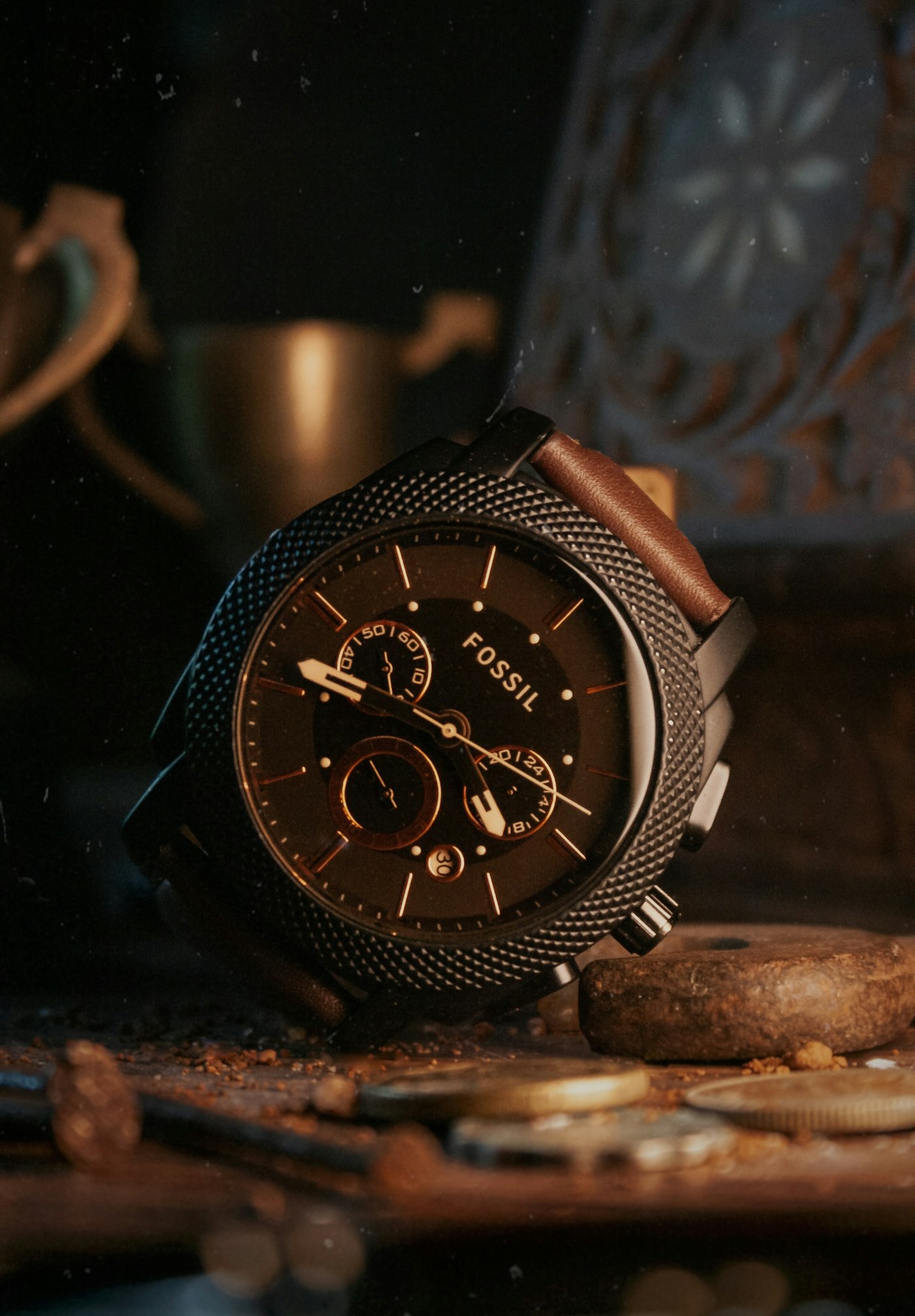
The past three years have produced one of the busiest reissue cycles in modern watchmaking history. Almost every major Swiss house has revisited at least one archive reference, and several independents have built their entire commercial identity around faithful reinterpretations of pieces from the 1950s to the 1970s.
The Commercial Logic
For a brand, a reissue solves several problems at once. It generates editorial coverage from the enthusiast press, provides an accessible entry point for buyers who cannot or will not compete for scarce originals, and reinforces the historical narrative that supports higher-margin contemporary lines.
The trade-off is that a well-received reissue can, over time, dilute the mystique of the original. When a collector can walk into a boutique and buy a homage to a 1957 reference for a small fraction of the auction cost, the emotional distance between vintage and modern narrows.
Effects on the Vintage Market
Empirical evidence from three recent reissue launches shows a common pattern. In the six weeks after announcement, dealer asking prices for the corresponding original references rise by 8 to 15 percent as new collectors are introduced to the family. Within twelve months, prices usually settle back to trend, occasionally slightly below the pre-announcement baseline as those new collectors realise the reissue satisfies most of their desire.
The exception is when the reissue exposes a design detail that only exists on early original examples, such as a specific dial variant or bezel insert. In those cases the corresponding subset can appreciate meaningfully, while the broader reference family remains flat.
How to Read a Reissue Announcement
Compare case dimensions carefully. A two-millimetre diameter increase and a taller domed crystal can be enough to break the visual identity of the original design.
Check the movement. A modern caliber with a longer power reserve and hacking seconds may be objectively better but changes the wearing experience, particularly if the original ran a period-correct caliber known for its own character.
Look at the dial printing. Modern pad printing and laser engraving produce crisper text than 1960s techniques. Some brands deliberately soften prints to imitate age; others do not, which creates a visual gap that grows more obvious in person.
Collector Strategies
If you already own an original, a reissue can be a useful daily wearer that lets you rest the vintage piece from wrist time and reduce service pressure. If you own only the reissue, resist the temptation to treat it as an investment substitute; the pricing dynamics simply do not work that way for open-production models.
For newcomers, a reissue is an honest way to test whether a particular design suits your wrist and lifestyle before committing to the higher cost and higher care burden of an original. Many long-standing collectors began exactly this way.
Closing Perspective
The reissue wave has expanded the vintage conversation rather than replaced it. Used carefully, these modern tributes bring new eyes to older pieces without undermining what makes those pieces historically significant.
Background Knowledge
Modern reissue programmes borrow case shapes, dial layouts and typography from historical references, usually with an updated caliber and modern water resistance. The commercial motivation is clear: reissues fund a brand's ability to talk about heritage.
Extended Notes
A reissue rarely uses the exact case dimensions of the original. Diameters typically grow by 2 to 4 millimetres, lug-to-lug distance changes accordingly, and dial printing is almost always crisper than the period original. These small differences matter for both wearability and long-term collecting logic.
Frequently Asked
- Do reissues raise the price of the originals?
- Sometimes, briefly. The lasting effect depends on whether the reissue introduces new collectors to the reference or simply satisfies demand at a lower price point.
- Is a reissue collectible in its own right?
- Limited editions with clear numbered production and strong original design fidelity have shown modest secondary appreciation. Open-production reissues rarely do.
Collector Value Note
Buy a reissue because you want to wear it. Buy an original because you want to own a specific moment in horological history. Confusing the two motives usually leads to regret.
Sources & Further Reading
- Manufacturer press releases and technical specification sheets
- Comparative measurements published by independent collector forums
This article is editorial commentary. It does not constitute authentication, valuation or investment advice.
Related Reading
More From the Register
Market Trends
Geneva Spring 2026 Auction Recap: Steel Sports Cool, Complicated Vintage Warms
Market Trends
Japan's Vintage Market in 2026: Domestic Supply Tightens, Foreign Demand Rises