Japan's Vintage Market in 2026: Domestic Supply Tightens, Foreign Demand Rises
Long a reservoir of well-kept vintage inventory, Japan is now exporting more than it takes in. What this means for prices, condition standards and the classic Tokyo dealer visit.
For a full generation of international collectors, a research trip to Tokyo was a rite of passage. Neighbourhood dealers in Nakano, Shibuya and Ginza carried inventory that had spent decades in climate-controlled cases, with paperwork intact and prices that reflected patient rather than aggressive selling. That equation is changing in 2026, and both current and prospective collectors should understand why.
Why Supply Is Loosening
The generation that bought new mechanical watches in the strong-yen era of the 1970s and 1980s is now in its seventies and eighties. Many families are unwinding personal collections either through direct sale to established dealers or through consignment to international auction houses seeking fresh material.
This inflow of quality pieces gives Japanese dealers a temporary abundance to work with, but they are increasingly channelling the best examples to overseas buyers who are willing to pay stronger prices in dollars and euros.
Effects on Price and Condition Standards
Domestic Tokyo asking prices for common vintage references have converged with European levels over the past three years. The historic Japan discount has largely closed. What remains different is condition: the average vintage watch offered by a reputable Tokyo dealer still presents better than its European equivalent at the same price point.
This condition premium is real but not unlimited. Buyers should still inspect for over-polishing, replaced hands and service dial substitutions, all of which have appeared even in the Japanese market as inventory circulates more actively.
The Visitor Experience
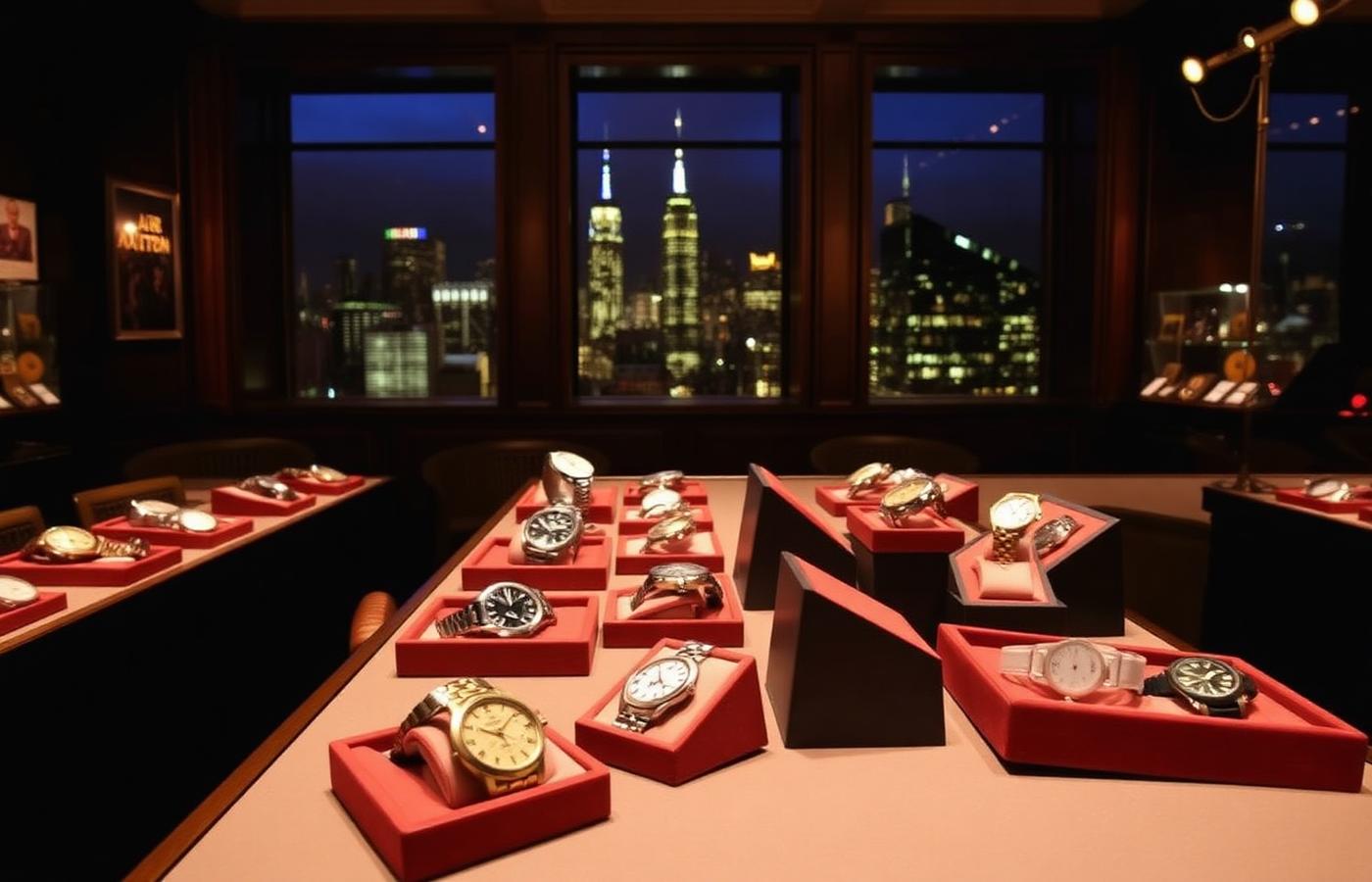
Walk-in browsing remains welcome at most established Tokyo dealers, but appointments are increasingly expected for higher-value inspection. English support is broadly available at the specialists that regularly serve international buyers, while smaller neighbourhood shops may still operate primarily in Japanese.
Consumption tax refund procedures apply for foreign visitors on qualifying purchases. Ask the dealer at time of purchase, not at the airport, since the paperwork needs to be prepared at the point of sale.
Strategic Implications
For collectors building a specific reference archive, Japan remains a strong hunting ground, particularly for pieces originally sold into the local market with importer markings. For opportunistic buyers hoping to arbitrage against home-market prices, the window is narrower than it used to be and the total cost, once shipping and duty are added, often eliminates any nominal saving.
The bigger opportunity today is time and quality rather than price. A well-run Tokyo dealer will typically invest more hours in describing, photographing and documenting a piece than a comparable European retail counterpart, and that thoroughness has real value for a long-term collector.
Closing Perspective
Japan is no longer the arbitrage market it once was, but it remains one of the healthiest environments in the world for buying vintage watches with confidence. Approach it as a place to find well-documented examples rather than bargains, and the trip will still be worth the flight.
Background Knowledge
For roughly three decades, Japan absorbed a disproportionate share of European and American vintage inventory during periods of yen strength, and Japanese dealers became famous for meticulous condition standards and long inventory holding periods.
Extended Notes
The current cycle is unusual because the outflow is being driven partly by generational transfer within collecting families rather than by pure economic arbitrage. Many pieces reaching international markets today were bought new in the 1970s and 1980s by first-generation Japanese collectors.
Frequently Asked
- Is Tokyo still a good destination for vintage shopping?
- Yes, but the exceptional bargains of the 2010s are largely gone. Expect fair prices, excellent condition and rigorous transaction hygiene.
- Are Japanese-market pieces different from European examples?
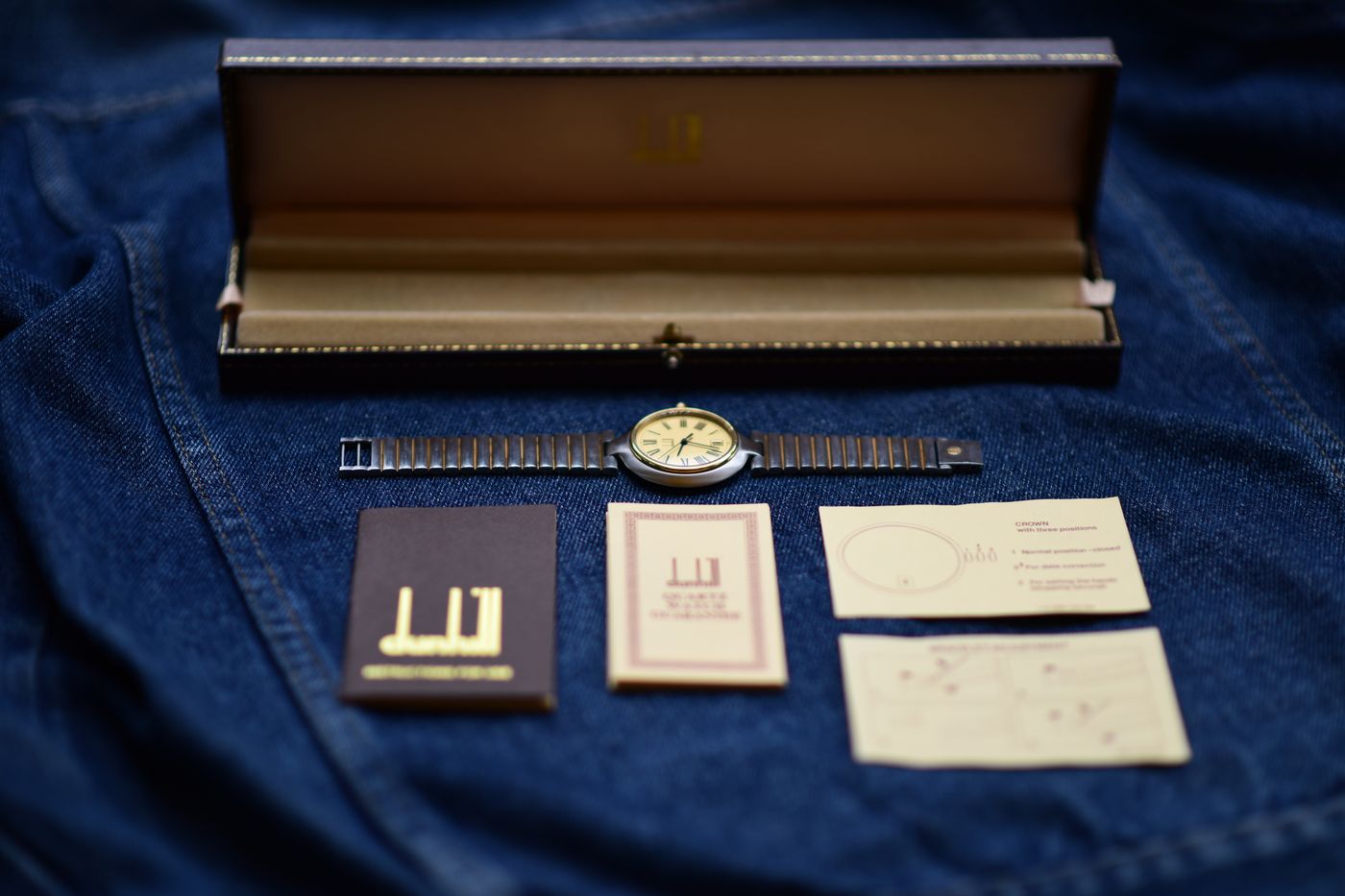
- Occasionally the dial or caseback carries an importer marking, and manufacturer archive extracts sometimes list Japanese first delivery. These details are collectible in their own right.
Collector Value Note
Pieces sold new into the Japanese market often present in noticeably better cosmetic condition than European or American siblings, reflecting the local convention of rotating watches through several protective drawers rather than continuous daily wear.
Sources & Further Reading
- Trade press coverage of Japanese pre-owned dealer inventory movements
- Bank of Japan currency exchange reference rates
This article is editorial commentary. It does not constitute authentication, valuation or investment advice.
Related Reading
More From the Register
Market Trends
Geneva Spring 2026 Auction Recap: Steel Sports Cool, Complicated Vintage Warms