Cross-Border Vintage Watch Trading: 2026 Rules Every Collector Should Know
Import duties, provenance documentation and cultural export licences all shape what it costs to move a vintage watch between markets. A quick guide to the current rules that matter most.
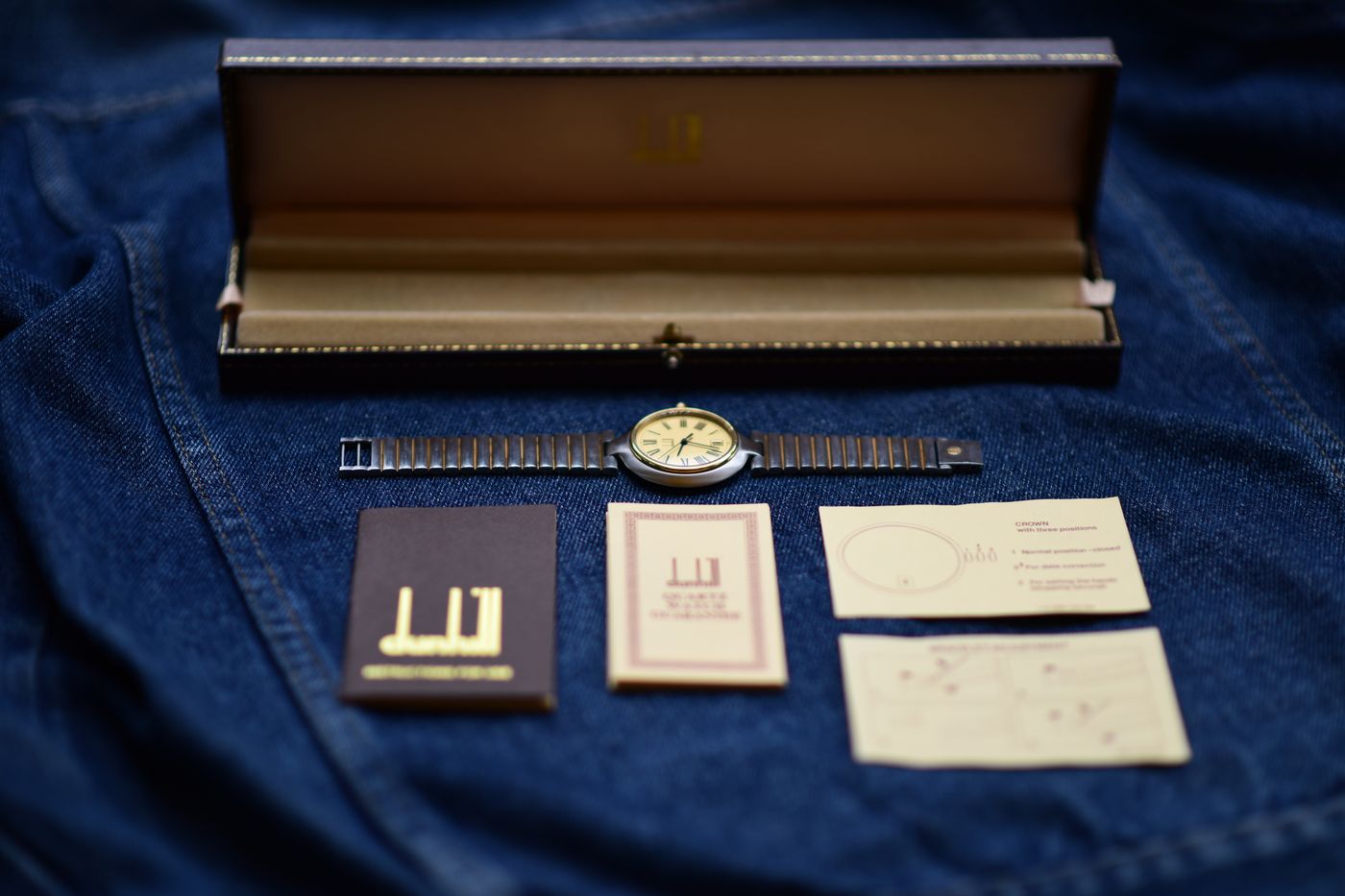
Buying a vintage watch abroad is not the same transaction it was ten years ago. Customs authorities in every major market have improved their systems for tracking high-value personal imports, and the paperwork burden on cross-border collectors is meaningfully higher than most first-time importers expect.
The Duty and Tax Baseline
Watches under one hundred years old are generally classified as manufactured goods rather than antiques, which means they attract the full local import tariff plus consumption tax on arrival. Rates vary considerably: the European Union charges no tariff on wristwatches but full national VAT, the United States charges a low tariff plus applicable state use tax, and several Asian markets apply layered luxury duties.
For pieces that clearly exceed the century mark, some jurisdictions offer a reduced antique rate. The classification decision usually sits with the customs officer at the point of entry, so bringing clear documentation of the reference year is essential.
Provenance Documentation
Independent of tax, an increasing number of auction houses and international dealers now require a clean chain of custody before they will handle a piece for onward sale. This typically means a signed bill of sale from a previous known owner, a service record from an authorised centre, or an archive extract from the manufacturer.
Collectors who intend to eventually sell or consign should build this paper trail from the day of acquisition. A neatly kept file adds materially to resale value and reduces the friction of any future cross-border sale.
Cultural Export Considerations
A small number of jurisdictions treat certain historically important watches as protected cultural property. The threshold is usually a combination of age, manufacturer and monetary value, and it most commonly affects early tourbillons, high-complication pocket watches and pieces with documented historical ownership.
The practical consequence is a required export licence application, which can take several weeks. Buyers competing at national auctions in these jurisdictions should confirm before bidding whether the lot they want is subject to a licence and, if so, whether the seller has already obtained one.
Practical Workflow
Before committing to an overseas purchase, ask the seller for a total landed cost estimate that includes their handling fee, international shipping via an insured watch specialist courier, expected import duty at the destination and applicable VAT or sales tax. Compare that number against equivalent inventory in your home market.
On arrival, keep every customs receipt with the watch file. Should you ever export the piece back for service or resale, a clean import record can prevent double taxation and expedite return.
Closing Perspective
The cross-border vintage trade remains fundamentally healthy, but casual buyers can no longer treat customs as an afterthought. Building the paperwork habit early turns a stressful process into a routine administrative task.
Background Knowledge
Vintage watches often cross borders multiple times during their lives, especially through auction consignment and international dealer inventories. The regulatory environment governing those movements has tightened noticeably since 2020.
Extended Notes
Some jurisdictions apply reduced VAT rates to antiques over one hundred years old, while others treat all pre-owned watches uniformly. Understanding the local classification of your specific reference can create meaningful savings.
Frequently Asked
- Do I owe duty when I buy from an overseas auction?
- Almost always yes. The duty and VAT are calculated on the hammer plus buyer's premium, and sometimes on the shipping cost too.
- What paperwork should travel with a vintage watch?
- At minimum a dated invoice describing the reference, serial number and stated condition. For pieces near or above the one-hundred-year threshold, an antique declaration helps at customs.
Collector Value Note
When comparing prices across markets, always model the total landed cost including duty, VAT, shipping and insurance. Headline price differences of 15 percent often disappear once the true landed cost is calculated.
Sources & Further Reading
- Published customs tariff schedules of the EU, UK, US, Switzerland, Japan and Singapore
- Auction house shipping disclosures
This article is editorial commentary. It does not constitute authentication, valuation or investment advice.
Related Reading
More From the Register
Market Trends
Geneva Spring 2026 Auction Recap: Steel Sports Cool, Complicated Vintage Warms
Market Trends
Japan's Vintage Market in 2026: Domestic Supply Tightens, Foreign Demand Rises