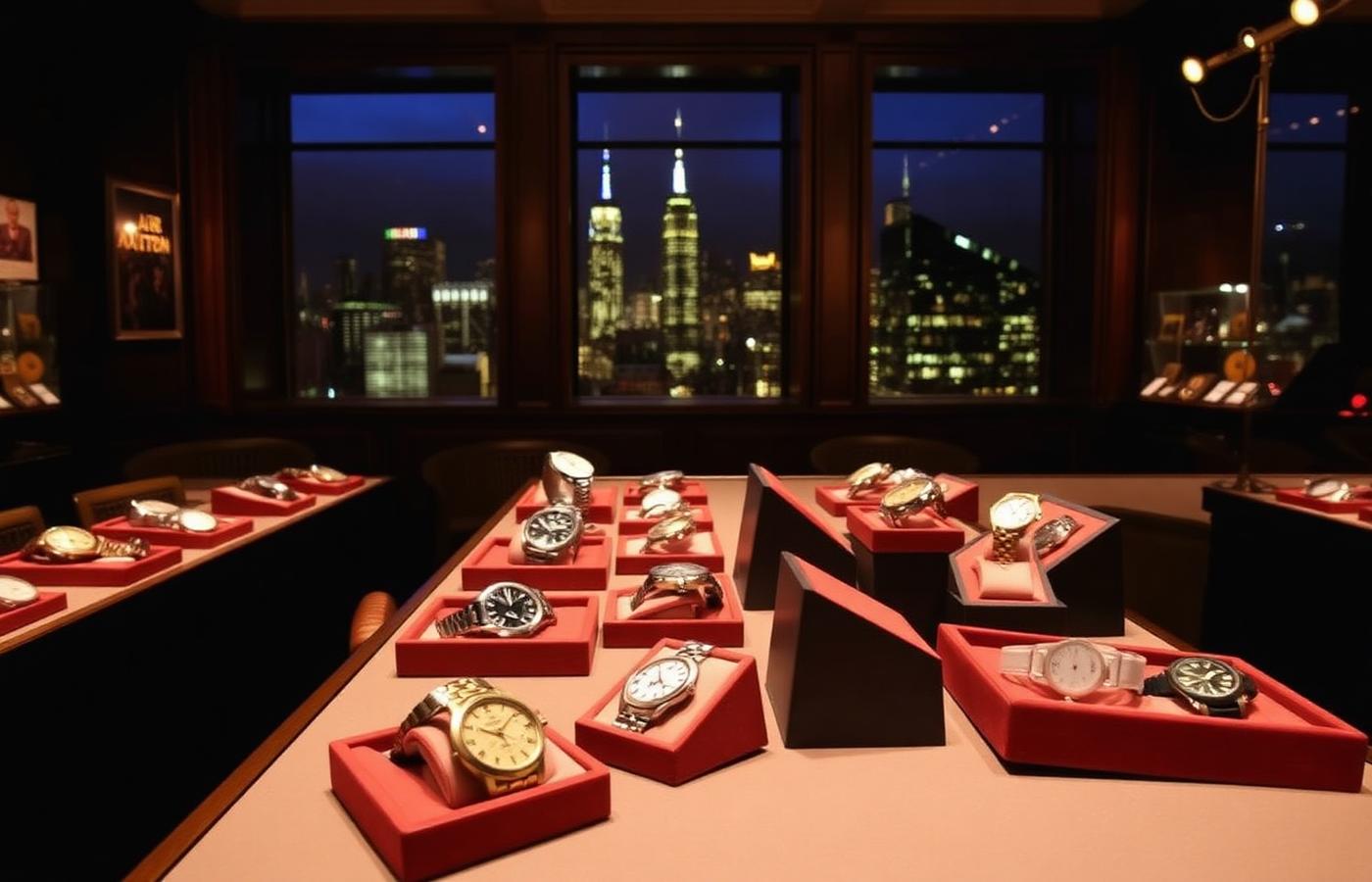
Geneva Spring 2026 Auction Recap: Steel Sports Cool, Complicated Vintage Warms
The May sales in Geneva confirmed a two-speed market: modern steel sports watches softened another notch, while complicated vintage pieces from the 1940s and 1950s posted the strongest hammer premiums of the season.
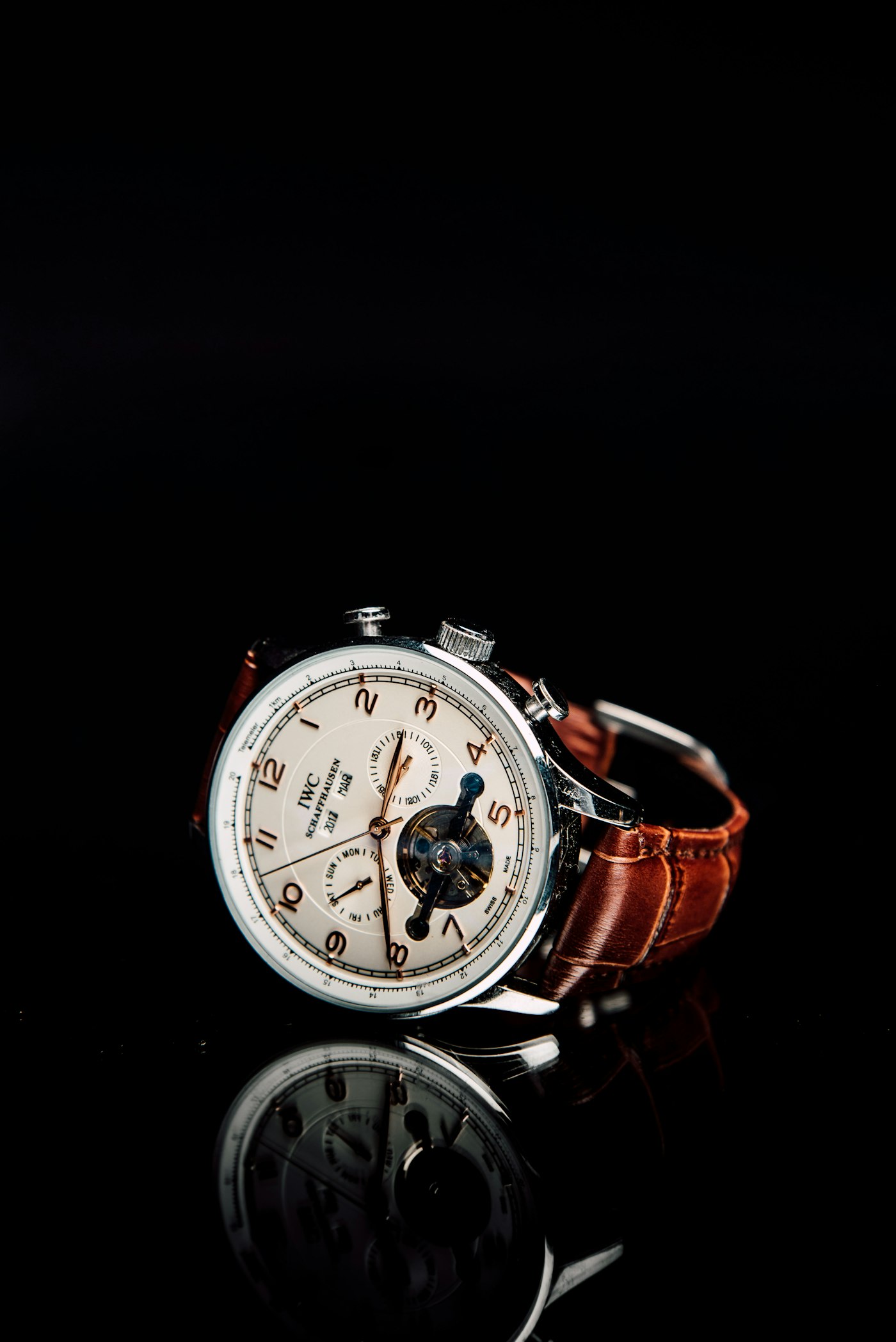
The May 2026 Geneva auction week delivered exactly the split many long-time collectors had been forecasting. Across the four principal sales, total sell-through by lot count came in at roughly 88 percent, essentially flat against the previous November session, yet the composition of what actually sold above estimate shifted noticeably towards older, more complicated pieces.
Steel Sports: A Measured Correction
Independent tracking of hammer results for the ten most-traded modern steel sports references shows an average clearing price roughly 6 percent below the equivalent lots from the November 2025 sales, and roughly 22 percent below the 2022 cyclical peak. Bidders who once fought for two consecutive full-set references now often stop at a single opening bid.
Importantly, this is not a collapse. Full-set examples with original stickers and matching guarantee cards still cleared their low estimates in every session. What has vanished is the fifteen to twenty percent overshoot that characterised late-cycle bidding on unworn or lightly worn pieces.
Complications: The Quiet Winners
Triple-calendar chronographs from the late 1940s were the standout of the week. Six examples with original dials and cases untouched by aggressive polishing hammered between 40 and 90 percent above their high estimates. Buyers were noticeably younger than the traditional profile for this segment, suggesting fresh money is entering the complicated vintage space.
Minute repeaters, perpetual calendars in yellow gold and early split-second chronographs also performed strongly. The common thread was condition: dials showing honest ageing rather than restoration, cases carrying original bevels, and provenance traceable through service records or archive extracts.
Reading the Room
Two structural forces sit behind these results. First, the supply of untouched complicated vintage is genuinely finite and shrinking as pieces move into long-term private collections. Second, buyers who spent 2020 to 2022 chasing steel scarcity have started reading history more deeply, and complicated vintage rewards that kind of study.
For dealers, the practical implication is a rebalancing of inventory. Several London and Milan specialists have publicly stated that they are reducing exposure to current-production steel sports and adding budget for well-documented vintage complications, particularly those with provincial rather than metropolitan first-owner histories.
What to Watch Next
The November Geneva sales will test whether this complication-led recovery holds. Watch also for the New York autumn sales, where American-owned complicated vintage often surfaces at more accessible estimates than in Switzerland.
Collectors who bid remotely should study each house's condition report language carefully. Terms such as gently polished, redialled, or replacement crown carry different weight across houses, and the difference is easily worth a full estimate step.
Closing Perspective
The Geneva spring 2026 week did not deliver headline records, but it delivered something more useful: a clear signal that the market is rewarding scholarship, condition and originality over hype. That is the environment in which patient collectors have historically built the strongest archives.
Background Knowledge
Geneva's May and November sales at Phillips, Christie's, Sotheby's and Antiquorum have set the tempo for the international vintage watch market since the mid-1990s. Results published within seventy-two hours of each session directly move dealer catalogues from London to Tokyo.
Extended Notes
Hammer prices do not tell the whole story. Buyer's premium in Geneva now sits at 26 percent up to CHF 1 million, meaning a lot hammered at CHF 200,000 costs the buyer close to CHF 252,000 before Swiss VAT. Collectors reading recap articles should always translate headline figures back into all-in prices before comparing sales.
Frequently Asked
- Why did modern steel sports watches soften again?
- Grey-market retail supply on current-production references has normalised since 2023, reducing the scarcity premium that historically supported secondary prices.
- Which vintage segment gained the most ground?
- Manually wound complications from 1945 to 1958, especially triple-calendar chronographs with original dials, sold above high estimate in most sessions.
- Are pocket watches still traded at these sales?
- Yes, but volume is modest and mostly reserved for early tourbillons, minute repeaters and railroad-grade American movements with strong provenance.
Collector Value Note
For collectors weighing the two segments, complicated vintage remains a longer holding proposition with lower liquidity, while steel sports pieces trade more frequently but with tighter margins.
Sources & Further Reading
- Public auction result databases published by the four Geneva houses
- Federation of the Swiss Watch Industry monthly export bulletins
This article is editorial commentary. It does not constitute authentication, valuation or investment advice.
Related Reading
More From the Register
Market Trends
Japan's Vintage Market in 2026: Domestic Supply Tightens, Foreign Demand Rises