The Milanese Chronograph Room: A Specialist's Fifteen-Year Focus
One collector in central Milan has spent fifteen years assembling a single-focus archive of Italian-market chronographs from 1955 to 1975. His methodology is as instructive as the collection itself.
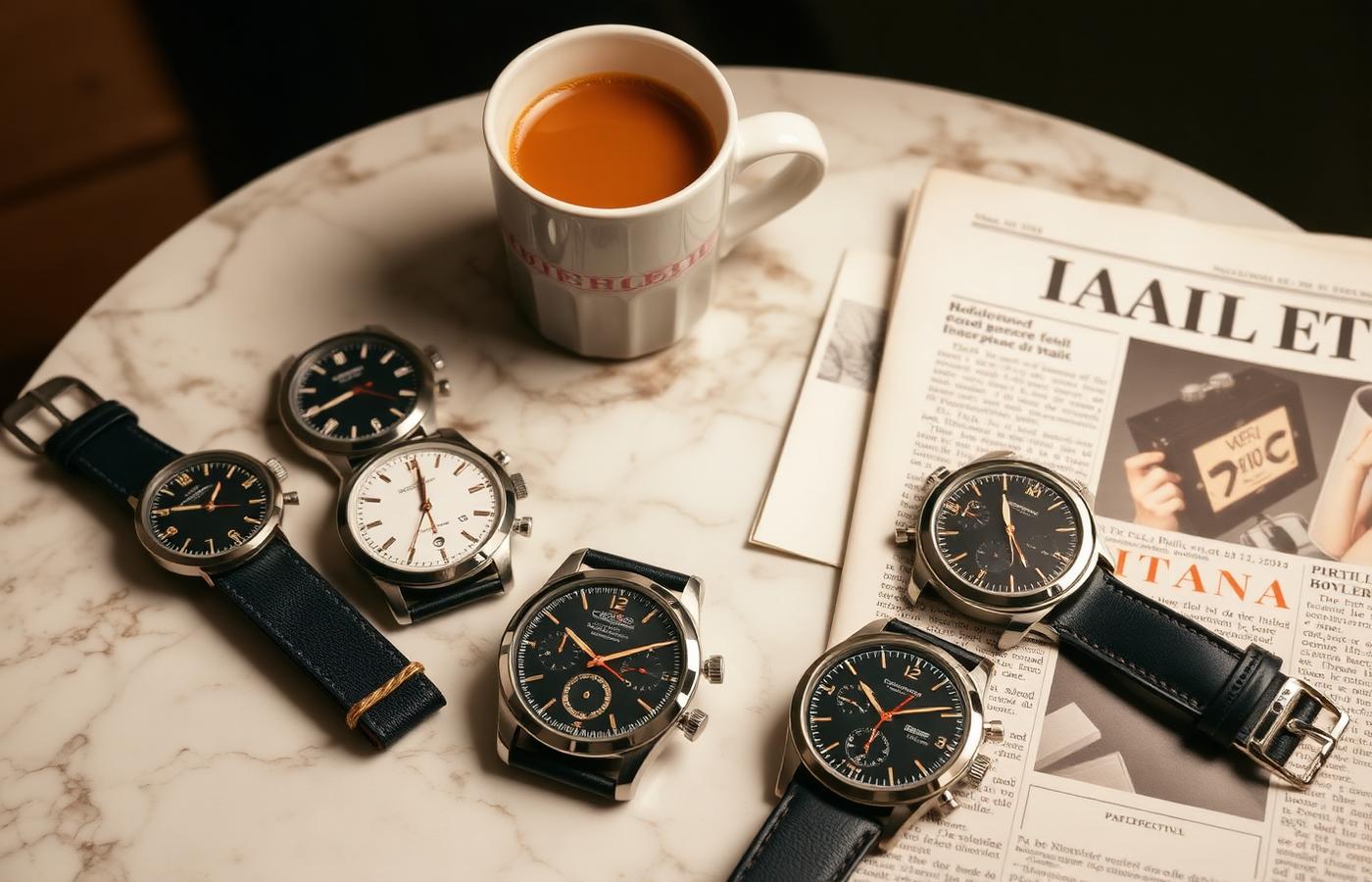
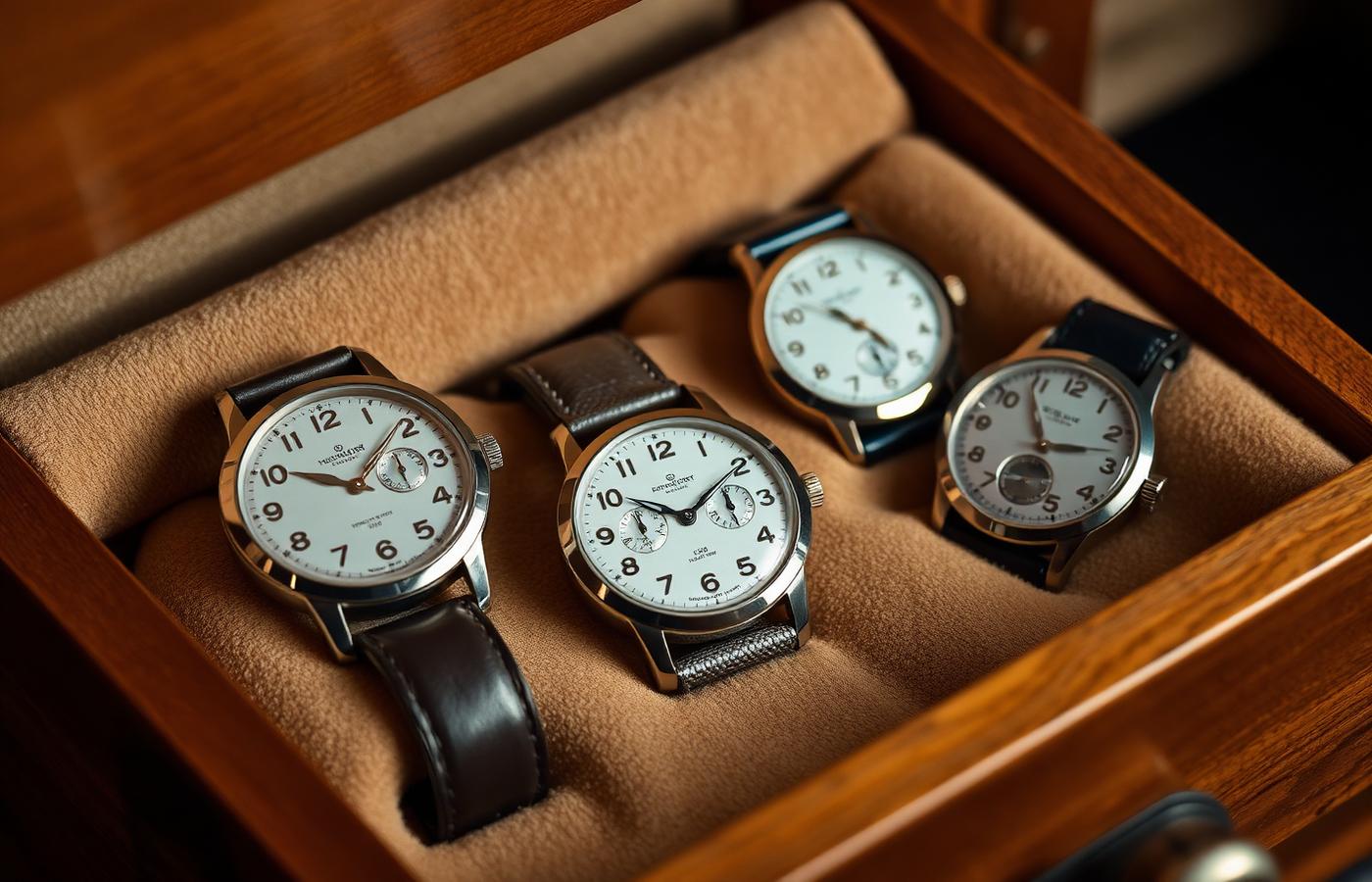
The apartment is on the third floor of a nineteenth-century palazzo in central Milan. The collection lives in three shallow drawers of a walnut cabinet in the study, each drawer holding roughly a dozen pieces on cream velvet trays. The entire archive fits in less space than a modern desktop computer. The intellectual footprint is considerably larger.
Fifteen Years of Discipline
The collector describes the fifteen-year focus as the single most important decision of his collecting life. Every acquisition since 2010 has been an Italian-market chronograph from 1955 to 1975, without exception. Pieces outside that scope have been declined regardless of quality or price.
This discipline compounds. Fifteen years of concentrated study on a defined segment produces a level of expertise that no amount of broader collecting can match. He can now identify most Italian-market chronographs from that period at a glance, and he knows the provenance history of nearly every significant piece in circulation.
The Sourcing Network
The archive has been built almost entirely through private channels. Two Milan dealers, one Turin-based specialist, and a handful of families disposing of inherited pieces have supplied roughly ninety percent of the collection. Auction acquisitions account for less than ten percent by count, though somewhat more by value.
The private sourcing model works because the collector has been visible in the small Italian collecting community for over a decade. Sellers who want a piece to go to a knowledgeable home approach him directly, often at prices below what an auction would clear.
Documentation as Curation
Every piece in the archive is accompanied by a documentation folder: original photographs, provenance letters where they exist, service records, and the collector's own research notes on the specific example. Some folders run to twenty pages.
This documentation is not obsessive. It is commercial infrastructure. When the archive eventually sells, whether to a single buyer or through a themed auction, the documentation will materially increase realised values. The work being done now is investment in that future outcome.
What Single-Focus Collecting Teaches
The collector's core insight, delivered over espresso in a small cafe near the palazzo, is that depth is a form of leverage. A collector who knows one segment completely can find opportunities that a broadly informed collector will miss, and can pass on plausible-looking pieces that a generalist would buy.
That leverage takes years to build and cannot be shortcut. But once built, it fundamentally changes the economics of collecting, both on the buying side and eventually on the selling side.
Closing Perspective
The Milanese archive is a case study in what patience and focus can build within a defined budget over a defined time. It is also, in its quiet way, a critique of the broad-collecting habit that dominates most contemporary vintage watch conversation.
Background Knowledge
Italy's postwar chronograph market was one of the largest in Europe, driven by motorsport enthusiasm and a strong domestic distribution network for Swiss brands. Italian-market pieces often carry distinctive dial variants.
Extended Notes
The single-focus collecting approach, favoured historically by Italian collectors, produces archives that are commercially more valuable at eventual sale than the same total dollar value spread across multiple categories. Depth beats breadth in the long run.
Frequently Asked
- What defines an Italian-market chronograph?
- Retailer signatures on the dial, Italian-market case backs, or documented first-owner Italian provenance all qualify a piece as domestic-market.
- Why chronographs specifically?
- The collector cites both aesthetic preference and market logic: chronographs from this period offer more variables to study than time-only watches, rewarding sustained focus.
- Does single-focus collecting mean smaller total spend?
- Not necessarily. A deep single-focus archive can easily exceed the value of a broader collection built at similar effort, and it tends to sell better at eventual disposal.
Collector Value Note
Focused thematic archives consistently sell above the sum of their parts at eventual disposal. Auction houses actively market single-owner focused sales, and buyers pay a real premium for coherent curatorial vision.
Sources & Further Reading
- In-person interviews with the collector conducted across 2025 and 2026
- Photographic documentation of the collection and its accompanying provenance files
This article is editorial commentary. It does not constitute authentication, valuation or investment advice.
Related Reading
More From the Register
Collector Profiles
Profile: A Berlin Collector Who Built an Archive at the Sunday Flea Market
Collector Profiles
Beyond the Famous Names: Five Obscure Swiss Manufactures Worth Following
Collector Profiles