Insurance, Appraisal and Documentation: Protecting What You Have Already Bought
Most collectors research acquisition thoroughly and protection barely at all. A well-documented collection is easier to insure, easier to claim on and dramatically easier to sell.
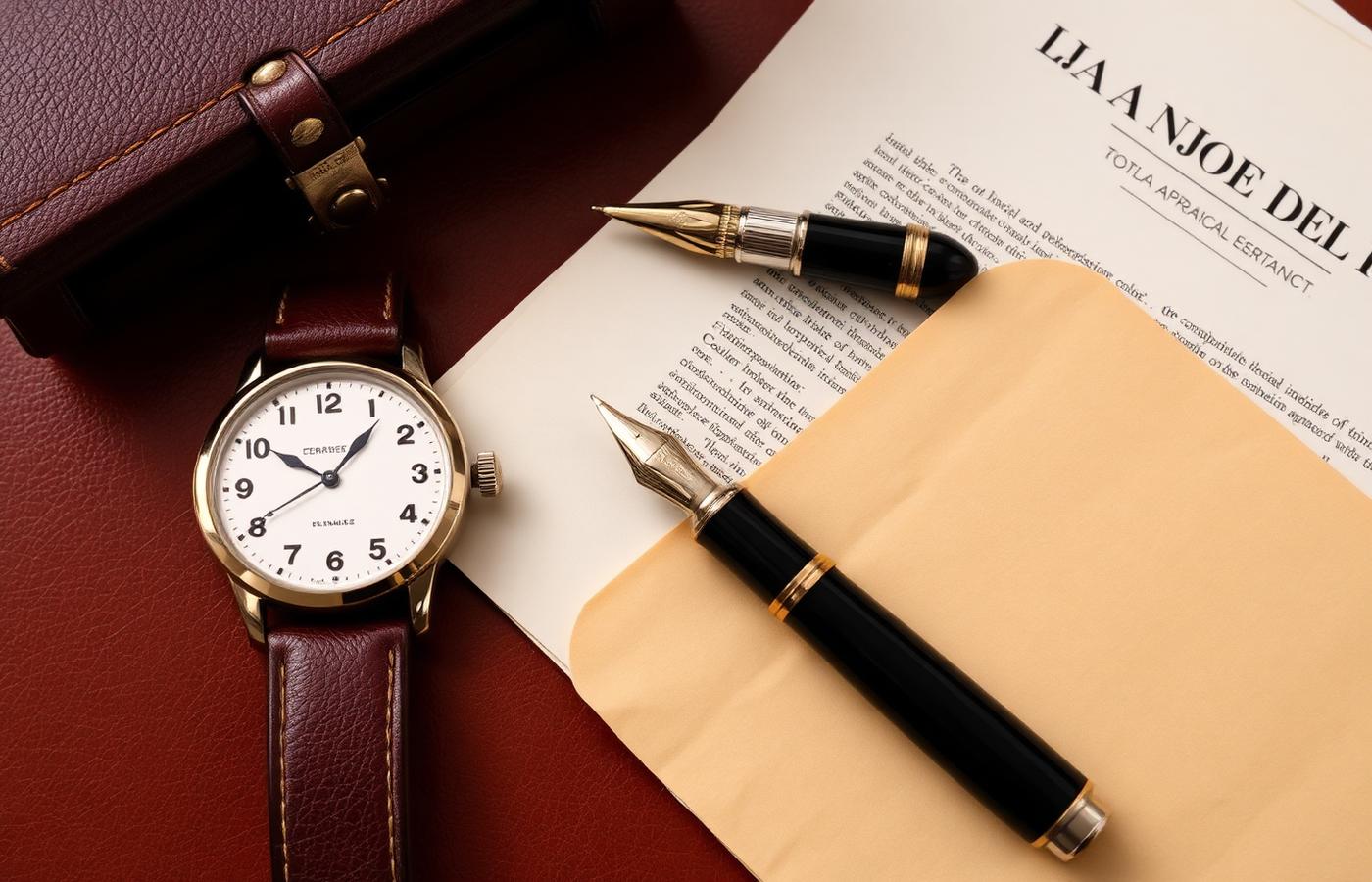
There is an asymmetry in how most collectors spend their attention. Weeks of research precede a four-figure purchase, and then the watch enters a drawer where it sits uninsured, unphotographed and undocumented for a decade. The imbalance is understandable, because acquisition is interesting and administration is not. But the collector who spends one weekend assembling proper documentation for an existing collection will almost certainly gain more measurable value from those two days than from the next several months of hunting, and will sleep considerably better in the meantime.
What Standard Policies Actually Cover
Household contents policies in most jurisdictions include a single-article limit for jewellery and valuables, commonly set between one and three thousand in local currency. A collection of fifteen vintage watches with a total value of eighty thousand may therefore be covered for a fraction of a single loss event, and the limit applies per item rather than to the aggregate.
Scheduling items individually, or moving the collection onto a specialist collectibles policy, resolves this. Both require the insurer to accept a stated value for each piece, which is where documentation becomes unavoidable. Insurers will not schedule an item on the strength of an owner's estimate.
What a Usable Appraisal Contains
A credible appraisal identifies the piece by reference number, case serial and movement serial; states the condition assessment in specific terms rather than adjectives; records the date of inspection; names the appraiser and their qualifications; and gives a replacement value with a stated basis, usually recent comparable sales.
Appraisals from the dealer who sold you the watch are commonly accepted but carry an obvious conflict. Independent appraisals cost more and are worth the difference, particularly for pieces where authenticity questions could arise at claim time. Insist that the appraiser physically handles the watch; remote appraisals from photographs are increasingly offered and increasingly disputed.
Building the File
For each piece, assemble: the purchase invoice, any accompanying papers or extract from the archives, dated macro photographs of the dial, caseback engravings, movement and any hallmarks, the most recent service record, and the current appraisal. Store the file digitally with an offsite backup and keep one printed copy separate from the watches themselves.
The photographic record deserves particular care. Photograph each watch against a plain background at consistent scale, and include a separate macro of the serial number. In a theft claim, serial number documentation is the difference between a recoverable piece and an anonymous one, and law enforcement databases are only useful to owners who recorded the number in advance.
The Resale Dividend
Every element of an insurance file is also an element of a strong sale listing. Buyers of vintage watches price uncertainty, and a piece offered with dated photographic history, service records and an independent appraisal removes several of the questions that otherwise justify a discount.
Dealers and auction specialists will confirm the same point from the other side: consignments arriving with complete documentation move faster and realise more. The file you build for your insurer is, in effect, the file your eventual buyer will pay for, whether that buyer is you selling in twenty years or an heir doing so on your behalf.
Closing Perspective
Documentation is the least enjoyable and most reliably profitable work in collecting. Do it once properly, keep it current with a short annual review, and every subsequent event in the life of the collection — claim, sale or inheritance — becomes materially simpler.
Background Knowledge
Standard household contents policies typically cap jewellery and watch claims at a low single-item limit, frequently well below the value of a single mid-tier vintage piece. Scheduled coverage requires documentation most collectors have never assembled.
Extended Notes
The documentation that satisfies an insurer is nearly identical to the documentation that maximises resale value, which means the work has a return even if no claim is ever made.
Frequently Asked
- Is my home insurance enough?
- Almost certainly not for anything above entry level. Check the single-article limit in your policy; it is often between one and three thousand in local currency.
- How often should I re-appraise?
- Every three years for a stable collection, or after any significant market movement in the segments you hold. Underinsurance at claim time is the most common outcome of neglected appraisals.
- Do photographs count as documentation?
- They help substantially, particularly dated macro photographs showing serial numbers, but they do not substitute for a written appraisal from a qualified independent party.
Collector Value Note
A complete documentation file typically adds several percent to realised sale price by removing buyer uncertainty, and it is the single cheapest value improvement available to any existing collection.
Sources & Further Reading
- Review of specialist collectibles policy terms from four insurers operating in the European and North American markets, 2026
- Interviews with two independent appraisers on evidentiary standards for vintage watch valuations
This article is editorial commentary. It does not constitute authentication, valuation or investment advice.
Related Reading
More From the Register