Avoiding Common Buying Traps: Frankens, Overpolishing and Redials
Three of the most common ways to overpay for a vintage watch, and the diagnostic habits that keep you out of trouble.
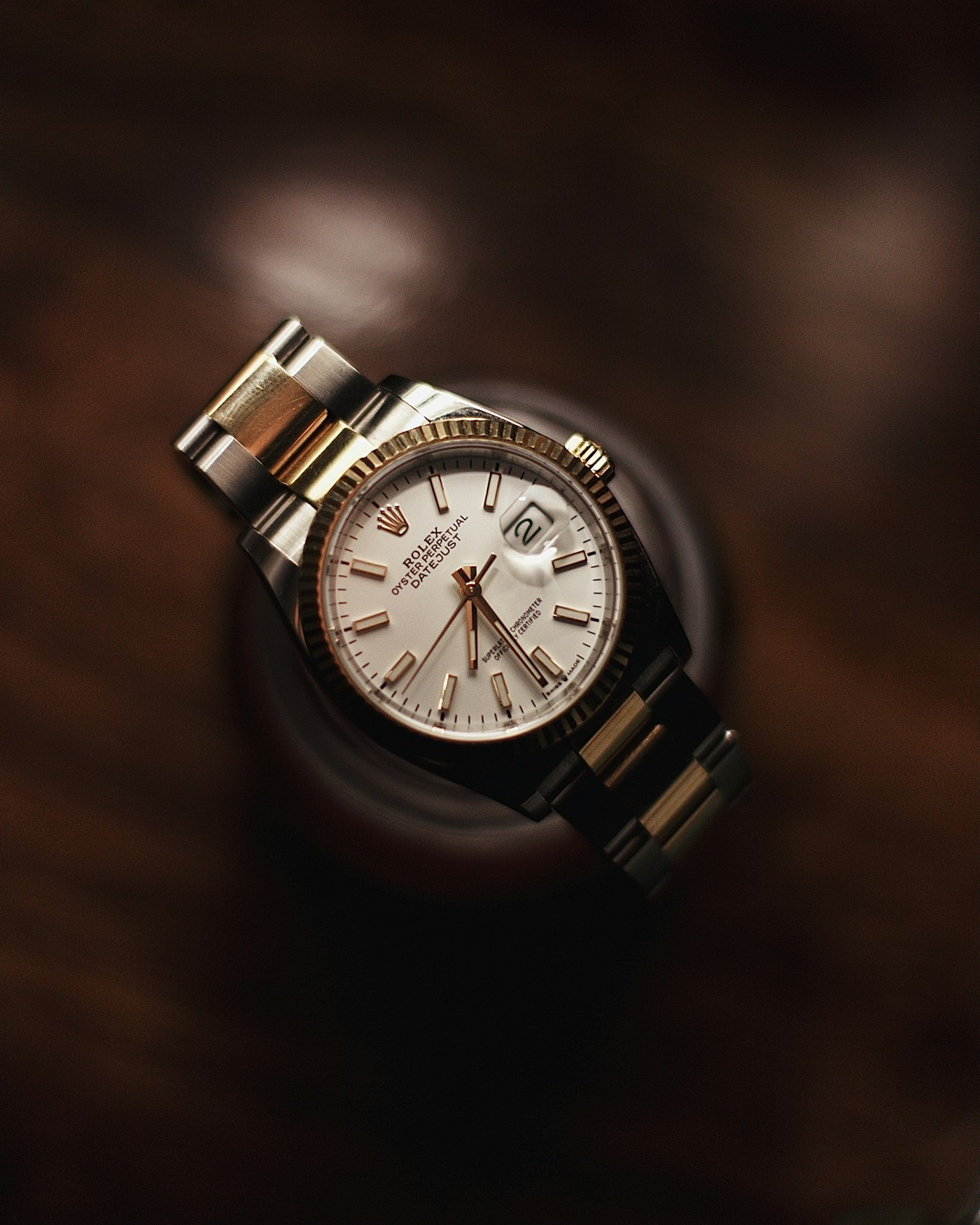
Every experienced collector has stories about the piece that got away and the piece they wish they had walked away from. Three common buying traps account for most of the second category, and all three can be caught with disciplined inspection habits.
Franken Watches
A franken watch combines components from different production years or even different references. Common combinations include an original case with a service-replacement dial and hands, an original dial in a later replacement case, or a period-correct movement swapped between two similar-era references.
The diagnostic approach is systematic. Check that reference and serial engravings match the expected format for the claimed year. Check that dial, hand and case lume all age consistently. Check that the movement caliber and serial fall within the expected range for the case year. Any single mismatch is a warning; multiple mismatches usually confirm the piece is not fully original.
Over-Polishing
Vintage cases were designed with crisp bevels and defined edges between top surfaces and case sides. Repeated polishing softens these edges, thins the case metal and slowly transforms the piece from its original geometry into a smoother, softer version of itself.
Compare the case profile against published reference examples. Look at the lugs from the side: are the bevels still crisp, or have they rounded away? Measure lug thickness with calipers if possible. A case that has lost meaningful thickness through polishing is worth significantly less than one that retains its original geometry, even if the polished version is cosmetically brighter.
Redials and Refinished Dials
A refinished dial has been stripped and repainted by a third-party specialist. It may appear cosmetically excellent under photographs but carries a severe permanent discount against an original in comparable condition.
Look for printing that seems unusually crisp for the era, plot lume that appears to have been painted after application rather than during original manufacture, and any lettering whose spacing or font weight departs from documented reference examples. Under loupe examination, refinished surfaces often show a slightly plasticky texture that original dials do not.
Building the Habit
Before every serious acquisition, run the same checklist: reference and serial engravings, dial originality, hand consistency, case geometry, movement caliber and serial, provenance documentation. Ten to fifteen minutes of disciplined inspection catches almost every common trap.
When possible, involve a second pair of eyes on any acquisition above your comfortable spending level. A friend, a mentor or a paid independent inspection service can catch issues you have already trained your own eye to overlook.
Closing Perspective
Avoiding traps is not paranoia; it is competence. The collectors who buy the best pieces over a lifetime are the ones who reject the most candidates along the way.
Background Knowledge
Certain buyer mistakes recur across generations of collectors: paying full price for a watch assembled from mixed-era components, overlooking severe polishing, and mistaking a refinished dial for an original. Each has a diagnostic signature that catches almost every case if you know what to look for.
Extended Notes
Franken watches are not always assembled with deceptive intent. Many originated as innocent service replacements over decades of ownership. The commercial problem is that a piece which is mechanically fine but historically mixed is worth significantly less than a fully original example.
Frequently Asked
- What is a franken watch?
- A watch assembled from components that were not originally supplied together, often mixing eras or references. It may run perfectly but carries a significant value discount.
- How can I tell if a case has been over-polished?
- Look at the case profile. Original vintage cases have sharp bevels between top surfaces and side surfaces. Over-polished cases become soft, rounded and thinner than the reference specification.
Collector Value Note
Ten minutes of disciplined inspection catches most of the common traps. That ten minutes routinely saves buyers thousands of currency units per acquisition over a collecting life.
Sources & Further Reading
- Published guides on vintage watch authenticity
- Auction condition reports referencing common issues
This article is editorial commentary. It does not constitute authentication, valuation or investment advice.
Related Reading
More From the Register

Buying Handbook