Your First Vintage Watch Under Two Thousand: A Practical Handbook
A clear starter framework for buyers with a modest budget who want a genuinely collectible vintage watch rather than a dressed-up beater.
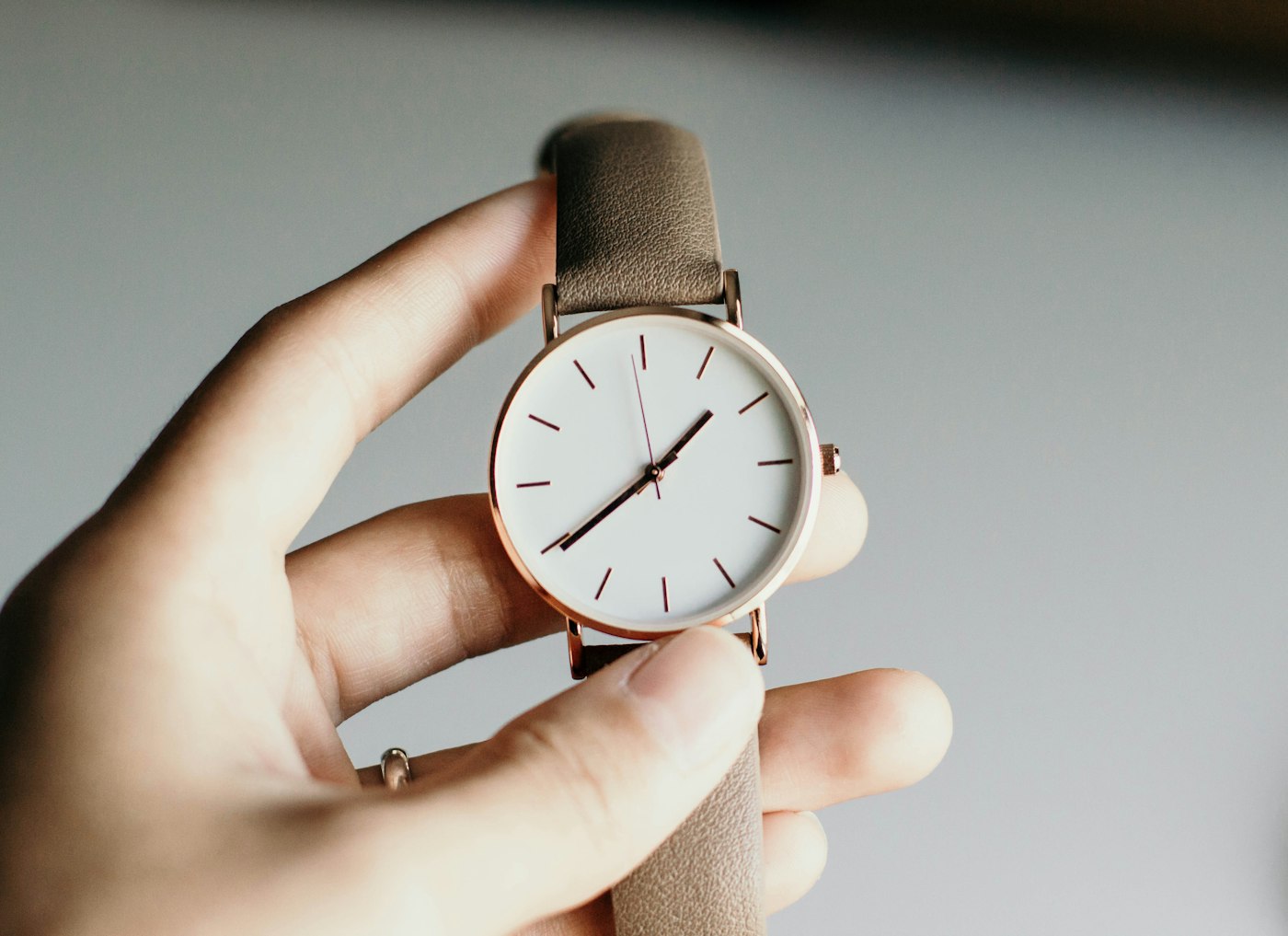
The two-thousand budget is often dismissed as too small for serious vintage collecting. It is not. It rules out the famous sport references from major houses, but it comfortably covers well-preserved examples from the second tier of Swiss manufactures, mid-century American brands and Japanese producers of the 1960s and 1970s. What matters is the framework you apply to the search.
Set the Category First
Before opening any dealer website, decide what kind of watch you want to wear. A time-only dress piece under 36 millimetres, a versatile mid-size chronograph, a robust everyday sport reference and a slim automatic dress watch are all realistic categories at this budget. Choose one and pursue it deliberately.
The mistake many beginners make is chasing multiple categories simultaneously, which produces a collection of one-off compromises rather than a considered starting piece.
Prioritise Condition Over Name
At this budget, condition and originality generate more satisfaction and better long-term value than famous names. A well-preserved second-tier reference with original dial, matching serials and clear service history is a far better acquisition than a famous name in polished, redialled, questionable condition at the same price.
The corollary is that you should be prepared to reject many candidates before finding the right one. Two months of patient search is typical for a first vintage acquisition worth keeping.
Where to Buy
Established pre-owned dealers with clear returns policies are the safest starting point for a first purchase. Prices are marginally higher than private sales, but the risk profile is dramatically better and the after-sale support is often useful.
Reputable regional auctions offer good opportunities at this budget, particularly for less fashionable references that do not attract international bidding. Read the condition report carefully, ask for additional photographs and factor the buyer's premium into every bid calculation.
Private forum sales can produce excellent value but require research and self-defence. Verify the seller's history, insist on high-quality photographs from multiple angles and use payment methods that offer buyer protection.
Build the Habit Alongside the Watch
Set aside a small budget for a proper post-purchase inspection with a watchmaker. Confirm timing accuracy, water resistance and general mechanical health, and address any minor issues before they become major ones.
Start a simple watch file on your first acquisition: photograph the watch under diffuse light from multiple angles, record the reference, serial, purchase price, seller and any condition notes. This habit costs nothing and pays back significantly on every future decision.
Closing Perspective
A first vintage watch at this budget can be the beginning of a lifetime of collecting or a single acquisition that satisfies a specific desire. Either outcome is legitimate. What matters is that the piece itself is honest, well chosen and worth wearing for as long as you choose to keep it.
Background Knowledge
Two thousand of any major currency remains a workable budget for a real vintage watch in 2026, provided the buyer stays away from the famous names that dominate the discussion and focuses on well-made mid-tier references.
Extended Notes
The two-thousand ceiling rules out most famous Swiss sport references from the 1960s and 1970s but comfortably covers well-preserved examples from many smaller manufactures with strong mechanical pedigree.
Frequently Asked
- Should I stretch my budget for a famous name in worse condition?
- Almost never. Condition and originality drive long-term satisfaction and future value more reliably than name alone.
- Is buying from an auction realistic at this budget?
- Yes for smaller regional auctions. Less so for the major Geneva sales, where the buyer's premium alone often exceeds the budget for lower-value lots.
Collector Value Note
A well-chosen first vintage watch at this budget teaches habits that pay off across an entire collecting life. A poorly chosen one teaches the same lessons at higher cost.
Sources & Further Reading
- Aggregated pre-owned dealer pricing data for representative mid-tier vintage references
- Independent forum condition guides
This article is editorial commentary. It does not constitute authentication, valuation or investment advice.
Related Reading
More From the Register
Buying Handbook